






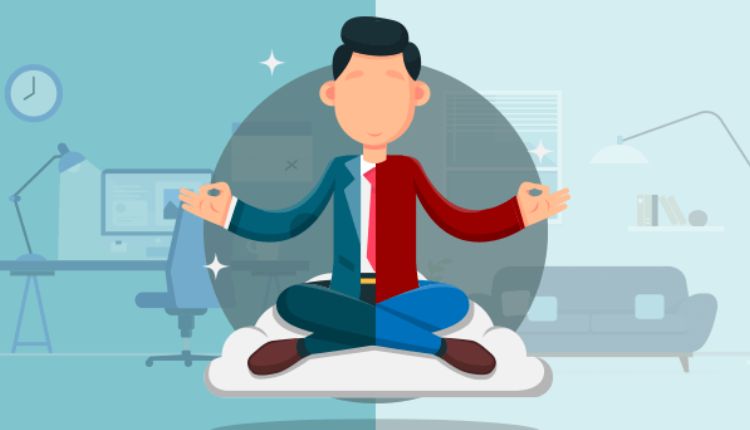
Deadlines, back-to-back meetings, constant notifications—a demanding job can take a serious toll on your mental and physical health. Research from the American Institute of Stress found that 83% of US workers suffer from work-related stress, and over half say their productivity takes a hit as a result. The good news? Balance isn’t something you either have or don’t. It’s something you build, one habit at a time.
Here are five practical ways to stay grounded, even when your workload isn’t.
1. Protect Your Morning Before Work Claims It
How you start your morning often dictates the rest of your day. When you wake up and immediately check emails or scroll through notifications, you hand control of your attention to someone else before you’ve even had breakfast. Instead, carve out at least 20–30 minutes for yourself first. This could be a short walk, journaling, stretching, or simply sitting quietly with a cup of coffee.
A consistent morning routine signals to your nervous system that you’re in control—not the other way around. Over time, this small shift can reduce reactive stress and improve your overall sense of calm throughout the day.
2. Reframe Rest as Productivity
Many high-performers feel guilty taking breaks, viewing downtime as lost time. In reality, the opposite is true. A study published in the journal Cognition found that brief mental breaks actually improve focus and decision-making. The brain isn’t designed to sustain deep concentration for hours on end.
Try working in focused blocks—45 to 90 minutes of concentrated effort followed by a 10–15 minute break. Step away from your screen, go outside if you can, or do something that has nothing to do with work. You’ll return sharper, not softer.
3. Set Clear Boundaries Between Work and Personal Time
When your laptop lives on your kitchen table, the line between work and home blurs fast. Without clear boundaries, work expands to fill every available hour—and recovery becomes almost impossible. Define a specific time each day when work officially ends, and stick to it as consistently as you can.
If you work remotely, physical cues can help. Change out of work clothes, close your laptop, or take a short walk to simulate a “commute.” These rituals train your brain to switch modes, making it easier to genuinely decompress when the workday is done.
4. Prioritize Physical Recovery
Physical health and mental resilience are far more connected than most people realize. Regular movement—even a 20-minute walk—reduces cortisol levels and boosts mood-regulating neurotransmitters like serotonin and dopamine. Sleep, hydration, and nutrition all play equally critical roles in how well your body and mind handle pressure.
For those dealing with persistent fatigue, brain fog, or stress-related burnout that doesn’t seem to resolve with lifestyle changes alone, it may be worth exploring integrative health options. One emerging area gaining traction is peptide therapy online in Minnesota, which some practitioners are using to support energy regulation, cognitive function, and recovery in patients experiencing chronic stress-related symptoms.
Whatever your approach, making physical recovery a non-negotiable—rather than an afterthought—is one of the most impactful things you can do for long-term performance.
5. Get Intentional About What You Say Yes To
Not everything that feels urgent actually is. One of the fastest routes to burnout is saying yes to everything and everyone, leaving no room for the work that actually matters—or for yourself. Learning to pause before committing, push back on unnecessary meetings, and delegate where possible isn’t laziness. It’s strategic.
A useful filter: before agreeing to any new task or obligation, ask yourself whether it moves the needle on your most important goals. If the answer is no, consider whether it needs to be on your plate at all. Over time, this habit frees up significant mental bandwidth and reduces the chronic overwhelm that comes from an overstuffed schedule.
Finding Balance Is an Ongoing Practice
Staying balanced in a demanding job isn’t about achieving some perfect equilibrium and maintaining it forever. It’s about building habits that help you recover quickly, protect your energy, and show up consistently—without running yourself into the ground.
Start small. Pick one strategy from this list and commit to it for the next two weeks. Once it feels natural, add another. Sustainable balance is built gradually, not all at once.