






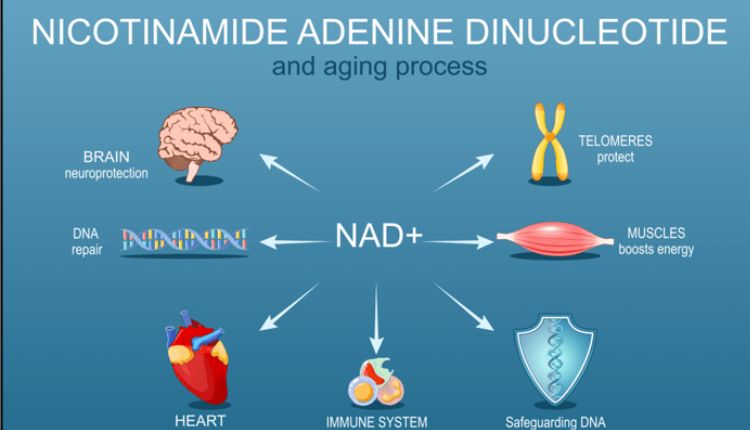
The science of cellular aging and energy metabolism has brought increased attention to compounds that support NAD+ (nicotinamide adenine dinucleotide) levels in the body. This essential coenzyme plays critical roles in energy production, DNA repair, and cellular health, yet declines significantly with age. Two compounds frequently discussed as NAD+ boosters are nicotinamide and NMN (nicotinamide mononucleotide). While both can elevate NAD+ levels, they differ substantially in their mechanisms, effectiveness, and practical applications. Understanding these differences helps you make informed decisions about which approach might best support your health goals.
What Are Nicotinamide and NMN?
Nicotinamide (Niacinamide)
Nicotinamide, also called niacinamide, is a form of vitamin B3 (niacin). It’s been used in supplements and skincare products for decades and is well-established as safe and effective for various applications. Your body naturally converts nicotinamide into NAD+ through what’s known as the salvage pathway.
This compound is water-soluble, affordable, and widely available. It’s found naturally in foods like meat, fish, nuts, and fortified grains. Nicotinamide has been extensively studied for skin health, metabolic support, and cellular function.
NMN (Nicotinamide Mononucleotide)
NMN is a more direct precursor to NAD+, positioned one step closer in the biosynthetic pathway. Rather than going through multiple conversion steps like nicotinamide, NMN can be more rapidly converted to NAD+ once inside cells.
This molecule has gained significant attention in longevity research over the past decade. While also found naturally in small amounts in foods like broccoli, avocado, and edamame, achieving therapeutic doses through diet alone is impractical, making supplementation the primary route for most people.
Key Differences in How They Work
Metabolic Pathways
The fundamental difference between these compounds lies in their conversion pathways to NAD+. Nicotinamide enters the salvage pathway, where it’s first converted to nicotinamide mononucleotide (NMN), then to NAD+. This means nicotinamide must go through an additional step compared to NMN.
NMN, being already in the mononucleotide form, theoretically requires fewer conversion steps to become NAD+. Some researchers suggest this more direct pathway might result in faster or more efficient NAD+ production, though this remains an area of active investigation.
Absorption and Bioavailability
Nicotinamide is highly bioavailable—your body absorbs and utilizes it efficiently. Decades of research have established optimal dosing and absorption characteristics.
NMN’s absorption characteristics have been more debated. Some research suggests NMN must first be broken down to nicotinamide before being absorbed, then reconverted to NMN inside cells. Other studies indicate intact NMN can be transported directly into cells via specific transporters. This question continues to be explored in research.
For detailed analysis of how these two NAD+ precursors compare in terms of effectiveness, mechanisms, and practical applications, comprehensive guides comparing nicotinamide versus NMN provide valuable insights into making the right choice for your needs.
Research and Evidence Base
Nicotinamide’s Established Track Record
Nicotinamide benefits from decades of human research across various applications. Studies have established its safety profile at doses up to 3,000 milligrams daily, examined its effects on skin health and appearance, investigated its neuroprotective properties, and explored metabolic and cellular benefits.
The extensive research history means nicotinamide’s effects, optimal dosing, and safety parameters are well-characterized in human populations.
NMN’s Emerging Research
NMN research has accelerated significantly in recent years, with compelling animal studies showing improvements in various age-related parameters. Human studies, while fewer in number, have begun demonstrating safety and potential benefits.
Recent clinical trials have examined NMN doses ranging from 250 to 1,250 milligrams daily, with generally favorable safety profiles and some evidence of improved metabolic markers, physical performance, and insulin sensitivity.
However, the human research base for NMN remains more limited compared to nicotinamide’s extensive history, making long-term effects less fully characterized.
Comparative Benefits and Applications
Energy and Metabolic Support
Both compounds support cellular energy by boosting NAD+ levels, which is essential for mitochondrial function. The question of whether one produces superior results in humans remains under investigation.
Nicotinamide’s well-established safety profile and lower cost make it accessible for long-term metabolic support. NMN proponents argue its more direct pathway to NAD+ might offer advantages, though human comparative studies are limited.
Longevity and Cellular Health
Animal studies of NMN have shown particularly promising results for longevity-related markers, driving much of the enthusiasm around this compound. However, translating these findings to human longevity remains speculative.
Nicotinamide also supports cellular health and has been investigated for various age-related applications, though it hasn’t received the same “longevity supplement” marketing that NMN has enjoyed.
Cognitive Function
Both compounds may support brain health through their roles in maintaining cellular energy and NAD+-dependent processes in neurons. Research has examined nicotinamide for neuroprotection in various contexts, while NMN studies in animals have shown improved cognitive function with age.
Practical Considerations
Dosing and Cost
Typical supplemental doses differ between these compounds. Nicotinamide is often used at 500-1,000 milligrams daily for NAD+ support, though higher doses (up to 3,000mg) have been studied. It’s relatively inexpensive, often costing $10-20 monthly.
NMN supplementation typically involves 250-500 milligrams daily, with some protocols using higher amounts. However, NMN supplements generally cost $50-100+ monthly, making them significantly more expensive than nicotinamide.
Safety and Side Effects
Nicotinamide is exceptionally well-tolerated at typical supplemental doses. Side effects are rare and usually mild, potentially including slight nausea at very high doses or mild flushing (though much less than regular niacin).
NMN also appears safe based on available human studies, with minimal side effects reported. However, its shorter research history in humans means long-term safety data is less extensive than for nicotinamide.
Just as researchers carefully evaluate safety profiles for all supplements—such as investigating whether creatine affects gout risk—ongoing research continues to characterize NMN’s long-term safety parameters.
Availability and Regulation
Nicotinamide is widely available as an over-the-counter supplement and is generally recognized as safe (GRAS) by regulatory agencies. It’s also used in fortified foods and various pharmaceutical applications.
NMN’s regulatory status is more complex and has been debated in various jurisdictions. In the United States, questions about whether NMN qualifies as a dietary supplement have created some market uncertainty, though it remains available.
Combination Approaches
Some protocols combine nicotinamide or NMN with other NAD+ supporting compounds like NR (nicotinamide riboside), resveratrol for sirtuin activation, or trimethylglycine (TMG) to support methylation pathways.
These combination approaches aim to support NAD+ production through multiple pathways while addressing other aspects of cellular health.
Which Should You Choose?
The decision between nicotinamide and NMN depends on several factors:
Budget considerations: Nicotinamide offers a cost-effective approach to NAD+ support, while NMN represents a larger financial investment.
Research preference: Those preferring supplements with extensive human research may gravitate toward nicotinamide, while those comfortable with newer compounds supported by animal research might choose NMN.
Specific goals: Both support NAD+ levels, though individual responses may vary. Some people report more noticeable effects from NMN, while others find nicotinamide equally beneficial.
Longevity focus: Those specifically pursuing longevity protocols might prefer NMN based on animal research, though nicotinamide certainly supports healthy aging as well.
The Role of Individual Response
As with many supplements, individual variation in response can be significant. Factors influencing your response include baseline NAD+ levels, age and metabolic health, genetic variations affecting NAD+ metabolism, gut microbiome composition, and overall diet and lifestyle.
This variability means that while population-level research provides guidance, individual experimentation (ideally with professional guidance) helps determine what works best for you.
Frequently Asked Questions
Can I take both nicotinamide and NMN together?
While there’s no evidence of harmful interactions, taking both simultaneously may not provide additional benefits since they work through overlapping pathways to boost NAD+. It might be more practical to choose one based on your priorities or potentially alternate between them. Some people experiment with one for several months before trying the other to assess individual response differences.
Will nicotinamide or NMN give me more energy immediately like caffeine?
Neither compound works like a stimulant. They support cellular energy production capacity rather than providing acute energy boosts. Benefits typically develop gradually over weeks as NAD+ levels restore and cellular function improves. Some people report improved sustained energy after several weeks of consistent use, but don’t expect immediate stimulant-like effects.
Is NMN more effective just because it’s more expensive?
Price doesn’t automatically indicate superiority. NMN costs more largely due to more complex manufacturing processes and market positioning rather than definitively proven superior effectiveness in humans. Nicotinamide’s lower cost reflects its simpler production and longer market presence. Both can effectively support NAD+ levels—the best choice depends on individual factors beyond price.
Do I need to cycle between nicotinamide and NMN, or can I take them continuously?
Current evidence suggests both can be taken continuously without requiring cycling. NAD+ is continuously used and regenerated in cells, and supporting this process consistently appears beneficial. Unlike some supplements where tolerance develops, both nicotinamide and NMN seem to provide sustained NAD+ support with ongoing use. However, periodic evaluation with healthcare providers helps ensure supplementation remains appropriate for your individual needs.