






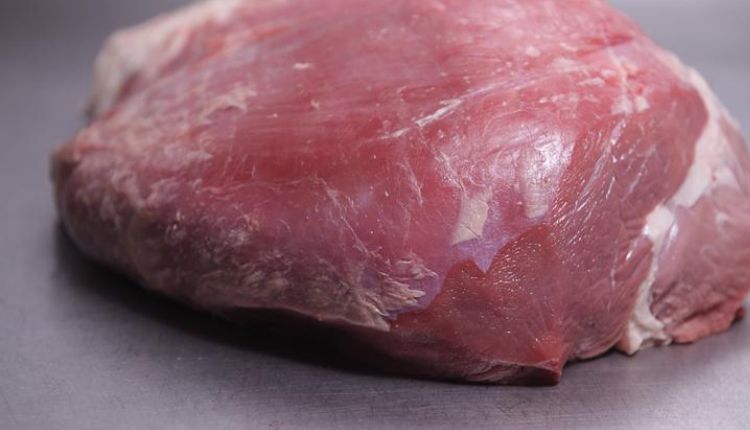
This part of the animal is known for being lean, firm, and full of natural beef flavour. In many Spanish-speaking countries and Latin American cuisines, pulpa bola de res is commonly used for traditional dishes that require a long cooking time, slow cooking, or grating.
The popularity of pulpa de res comes from its balance between texture and flavour. Although it does not contain much fat, it absorbs spices very well, making it ideal for richly spiced recipes. Due to its muscular structure, it becomes tender when cooked slowly, which is why it is often used in stews and soups.
Another reason for its popularity is its versatility. Home cooks and professional chefs use this Pulpa Bola De Res cut in many ways, from pulled beef dishes to sliced preparations. It is also considered an economical option compared to premium steaks, yet it delivers excellent results when properly prepared.
Common names associated with pulpa bola de res include:
- Round beef
- Lower wheel
- Inner round (depending on regional butcher styles)
Because of its low fat content, it is also preferred by people who want lean protein in their meals. However, it is important to cook it properly, as quick cooking methods can make it tough.
Overall, bola de res stands out as a reliable, flavorful, and flexible cut of beef that works well in both traditional and modern cooking styles, making it a staple in many households.
Nutritional benefits of Pulpa Bola de Res
Pulpa de res is not only tasty but also nutritionally valuable. Being lean beef, it provides high-quality protein while maintaining a relatively low fat level. This makes it suitable for people who want to maintain muscle mass, stay full of energy, and follow a balanced diet.
Protein is the main nutritional benefit of this cut. Supports muscle recovery, immune function and overall body strength. A serving of pulpa bola de res can contribute significantly to your daily protein needs without adding extra calories from fat.
This beef also contains essential vitamins and minerals such as iron, zinc and vitamin B12. Iron is key to healthy blood and oxygen transport in the body, while zinc supports immune health and wound healing. Vitamin B12 plays an important role in brain function and red blood cell formation.
Health benefits include:
- Supports muscle growth and regeneration
- It helps prevent iron deficiency
- Increases energy levels
- It contributes to a healthy metabolism
Because pulpa de res is low in saturated fat compared to fattier cuts, pulpa de res can be included in a healthy diet if prepared without heavy frying or excess oil. Cooking methods such as boiling, slow cooking or baking help maintain its nutritional profile.
However, portion control is still important. Even lean beef should be eaten in moderation as part of a balanced diet that includes vegetables, whole grains, and healthy fats.
In short, pulpa de res is a nutritious beef option that delivers both protein and essential micronutrients, making it a smart choice for people who want tasty meals with solid health benefits.
The best way to cook tender pulp Bola de Res
Since bola de res comes from the hard-working muscle area of the cow, it contains tough fibres that require proper cooking procedures to make it tender. Quick cooking methods such as grilling or frying are usually not recommended unless the meat is sliced very thin.
The most effective methods focus Pulpa Bola De Res on slow, moist heat. These techniques gradually break down the muscle fibres and turn the tough meat into soft and juicy morsels.
Popular cooking methods include:
- Slow simmering in soups and stews
- Stew with spices and vegetables
- Pressure cooking for faster tenderness
- Slow cooker meals for deep flavour
Slow cooking is especially effective because it allows the meat to absorb the spices and is easier to slice or dice. This is why pulpa de res is often used in dishes that are cooked for several hours.
Pressure cooking is another great option for busy kitchens. Reduces cooking time while providing delicate results. Many traditional recipes have been adapted to pressure cookers for faster preparation without losing flavour.
Marinating before cooking can also help improve tenderness. Acidic ingredients such as citrus juice, vinegar, or tomato-based sauces soften the meat fibres slightly and increase flavour absorption.
Patience is important when cooking pulpa bola de res. A rushed process can result in dry and chewy meat. Allowing enough time for proper cooking will ensure that the final dish is rich, juicy and satisfying.
With the right method, this lean cut of beef can turn into a delicious and tender centrepiece for many dishes.
Traditional dishes that use the Bola de Res pulp
Pulpa bola de res plays a central role in many traditional dishes across Latin American and Caribbean cuisine. Its ability to absorb spices and become soft after long cooking is ideal for recipes that rely on deep, developed flavours.
One of the most popular uses is in pulled beef dishes. After slow cooking, the meat is separated and mixed with sauces, vegetables and spices to create hearty and tasty meals. These dishes are often served with rice, beans or flatbreads.
Common traditional preparations include:
- Shredded beef stew
- Beef soups with root vegetables
- Spicy stewed beef dishes
- Tomato-based beef sauces
In many households, pulpa de res is used for family meals that are slowly cooked throughout the day. The aroma of stewing beef, herbs and vegetables fills the kitchen and creates a soothing atmosphere.
The cut is also used for festive occasions where large portions are needed. Being more affordable than premium steak cuts, it is practical for feeding many people without sacrificing taste.
Another reason it works well in traditional dishes is its texture when cooked. It holds its shape when sliced but also tears easily when grated, giving chefs more serving options from the same preparation.
These traditional recipes are passed down from generation to generation, proving that pulpa de res is not just a budget cut but a respected ingredient with cultural significance in many regions.
How to season Bola de Res pulp for maximum flavour
Seasoning is extremely important when cooking pulpa bola de res, as the cut itself is tender and benefits greatly from the spices and herbs. Because it absorbs flavours well, the right seasoning can make it a deeply flavorful dish.
Most recipes start with basic seasonings like salt and pepper, but flavour usually grows through layered seasonings added during cooking. Garlic, onion, bay leaf and cumin are commonly used to create a rich base.
Popular spice options include:
- Garlic and onion for savory depth
- Cumin and oregano for warmth
- Paprika or chili powder for mild heat
- Fresh herbs added near the end for aroma
Marinating the meat before cooking is also helpful. A marinade with citrus juice, vinegar, or tomato can add tang while slightly tenderising the meat. Letting the beef rest in the marinade for several hours allows the flavours to penetrate deeply.
During Pulpa Bola De Res slow cooking, seasoning can be adjusted gradually. This is important because flavours become stronger as liquids evaporate. Tasting and adjusting near the end helps prevent overly salty or spicy results.
Another technique is browning the meat before slow cooking. This creates a flavorful crust that adds richness to the final dish. While optional, it greatly improves overall taste.
Proper seasoning ensures that pulpa de res is never bland. Instead, it becomes a flavorful, aromatic dish that feels rich and satisfying even though the meat itself is lean.
Pulpa de Res in Modern and Fusion Cooking
While pulpa de res is traditionally used in Pulpa Bola De Res classic recipes, it has also found a place in modern and fusion-style cooking. Chefs and home cooks now experiment with new flavours while keeping the slow-cooked tenderness that this cut offers.
In modern kitchens, shredded pulpa bola de res is often used as a protein base for creative dishes such as rice bowls, wraps, and sandwiches. Its neutral flavour profile allows it to blend well with different cuisines.
Examples of modern uses include:
- Beef-filled wraps with fresh vegetables
- Rice bowls with spicy sauces
- Stuffed flatbreads or pastries
- Fusion tacos with unique toppings
Asian-inspired sauces such as soy-based marinades or ginger-seasoned broths can also work well with this cut. Since the meat absorbs liquid easily, it adapts well to non-traditional flavor combinations.
Another trend is using pulpa de res for meal prep. Large batches can be cooked, shredded, and stored for multiple meals throughout the week. This makes it practical for people who want homemade food without daily cooking.
Despite new approaches, slow cooking remains the key technique. Even when used in modern dishes, the preparation still focuses on softening the meat through gentle heat.
This blend of tradition and innovation shows that pulpa bola de res continues to be relevant, flexible, and valuable in today’s diverse cooking styles.
Buying and Preparing Pulpa de Res Safely
Choosing high-quality pulpa bola de res starts with selecting fresh meat that has a bright red colour and firm texture. Avoid cuts that appear grey or have strong odours, as these are signs of poor quality or improper storage.
When buying from a butcher, asking for freshly cut beef can help ensure better flavour and texture. Pre-packaged options are also fine if they are properly sealed and refrigerated.
Storage tips include:
- Keep refrigerated at safe temperatures
- Freeze if not used within a few days
- Store in airtight packaging to prevent drying
When freezing, dividing the meat into meal-sized portions is helpful. This allows easy thawing without repeatedly refreezing large amounts of meat, which can affect quality.
Before cooking, thaw frozen pulpa de res slowly in the refrigerator. Avoid thawing at room temperature, as this increases the risk of bacterial growth. Once thawed, it should be cooked within a short time.
Cleaning surfaces and tools after handling raw beef is also essential for food safety. Using separate cutting boards for meat and vegetables reduces contamination risk.
Proper handling and storage protect both flavour and health. When treated correctly, pulpa de res remains safe, fresh, and ready to be transformed into delicious meals.
Why Pulpa de Res Is Ideal for Family
Pulpa de res is often chosen by Pulpa Bola De Res families because it provides a large amount of meat at a reasonable cost. This makes it perfect for preparing meals that serve many people without exceeding budget limits.
Since it is usually cooked in large portions, it is ideal for batch cooking and leftovers. One preparation can be turned into multiple meals by changing side dishes or sauces, which helps reduce food waste.
Family-friendly advantages include:
- Affordable compared to steak cuts
- Suitable for large recipes
- Works well for leftovers
- Easy to portion and store
Its mild flavour also appeals to different age groups. Children and adults alike can enjoy it when seasoned appropriately, making it useful for mixed family preferences.
Another benefit is that it pairs well with inexpensive ingredients such as rice, beans, potatoes, and vegetables. This allows families to create filling and nutritious meals using simple components.
Because of these factors, pulpa bola de res is not just a cooking ingredient but a practical solution for households that value both taste and affordability.
Conclusion
Pulpa bola de res is a versatile, nutritious, and budget-friendly beef cut that offers excellent results when cooked with care. Its lean texture, strong ability to absorb flavours, and suitability for slow cooking make it ideal for traditional recipes, modern fusion dishes, and family meals.
With proper seasoning, safe handling, and the right cooking Pulpa Bola De Res methods, this cut transforms into tender, flavorful dishes that satisfy both taste and nutrition. Whether used in soups, shredded beef meals, or creative modern recipes, pulpa de res continues to prove its value in kitchens around the world.
FAQs
What part of the cow is pulpa de res from?
Pulpa de res comes from the round section of the cow, specifically from the rear leg area, which is lean and firm.
Is pulpa de res good for slow cooking?
Yes, it is excellent for slow cooking because the gentle heat helps break down tough fibres and makes the meat tender.
Can pulpa de res be grilled?
It is not ideal for grilling unless sliced very thin, as it can become tough with fast cooking methods.
Is pulpa de res healthy?
Yes, it is a lean source of protein and contains important nutrients like iron and vitamin B12 when eaten in moderation.
How long should pulpa bola de res be cooked?
Cooking time depends on the method, but slow cooking usually takes several hours, while pressure cooking can reduce it to under an hour.