






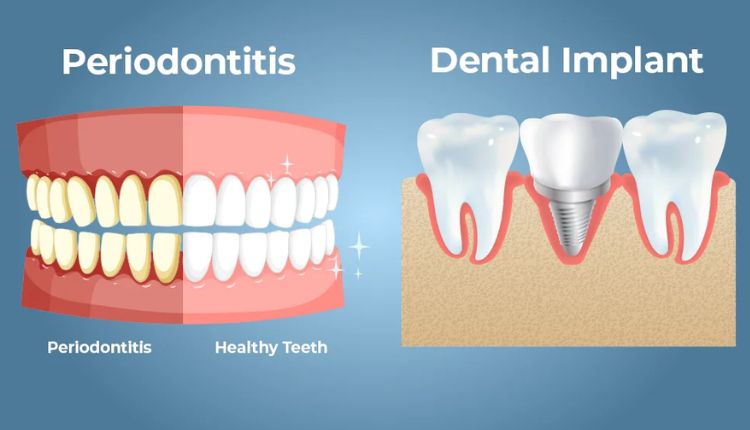
Dental implants fail more often when gum disease goes untreated. You may feel frustrated if you already struggle with loose teeth, bleeding gums, or bone loss. You want implants that last. You also want clear facts, not sugarcoated promises. Periodontal therapy focuses on cleaning infected pockets, calming inflammation, and protecting bone. This care gives implants a stronger base and lowers the risk of pain, infection, and early failure. It also improves your breath and daily comfort. If you see a Periodontal specialist in Long Island, NY before implant surgery, you protect your health and your investment. You learn if your gums are ready, what must change, and how to keep your mouth stable. You also get a plan that matches your medical history, not a one-size-fits-all approach. This blog explains how treating gum disease first leads to stronger implant outcomes.
Why healthy gums matter for implants
Implants need strong bone and calm gums. Without both, the screw part of the implant does not fuse well with bone. The risk of infection stays high. Your body then fights the implant instead of accepting it.
Periodontal disease destroys bone around teeth. It also fills pockets with bacteria. Those same bacteria can attack tissues around a new implant. You may not feel pain at first. Yet the damage keeps growing under the surface.
When you treat gum disease first, you remove this hidden threat. You lower swelling. You slow bone loss. You give the surgeon a cleaner, more stable place to place the implant.
What periodontal therapy includes
Periodontal therapy is not one single treatment. It is a stepwise plan that responds to what your gums and bones need.
Common steps include three core parts.
- Deep cleaning above and below the gumline
- Targeted medicine to control bacteria
- Surgery to reshape gums or rebuild bone when needed
The first step often uses scaling and root planing. Tools remove hardened deposits that regular cleanings miss. Surfaces of the roots become smoother. Bacteria then have fewer rough spots to cling to.
Next, your specialist may place antibiotics in deep pockets. These medicines cut the number of harmful germs. That support gives your body a chance to heal on its own.
Finally, some people need surgery. The surgeon may lift the gums to clean deeper. The surgeon may add bone grafts where the bone is thin or missing. This step is common when you want implants after long-term tooth loss.
How therapy improves implant success
Healthy gums and bone change the odds of success in your favor. You gain three key benefits.
- Higher chance that the implant fuses with bone
- Lower risk of infection around the implant
- Better long-term comfort when you chew and speak
Research supports this. The National Institute of Dental and Craniofacial Research explains that gum disease can lead to tooth and bone loss, which then affects replacement options such as implants.
When you control gum disease first, you protect the bone that still remains. You also create a clean pocket depth around each tooth or implant. These changes help you clean better at home. They also make your regular checkups more effective.
Comparison: untreated gums and treated gums before implants
| Condition before implant | Common findings | Impact on implant outcome
|
|---|---|---|
| Untreated gum disease | Bleeding, deep pockets, active bone loss | Higher risk of infection and early implant failure |
| After periodontal therapy | Less bleeding, reduced pockets, stable bone | Higher chance of healing and long-term implant success |
| After therapy plus bone graft when needed | Improved bone height and thickness | More support for longer implants and stronger chewing |
This table shows a simple truth. Clean, calm tissue and solid bone give implants the support they need. Ignoring gum disease keeps your risk high. Treating it first lowers that risk.
What to expect during periodontal care before implants
You may feel nervous about extra steps before implant surgery. Clear expectations can ease that fear. A typical path follows three simple stages.
- Assessment and planning
- Active treatment
- Healing and recheck
First, the specialist checks your gums, tooth mobility, and bone levels. X-rays or 3D scans show bone quality. The provider also reviews your health and medicines. Conditions like diabetes or a smoking history change the plan.
Second you receive treatment such as deep cleaning, gum surgery, or bone grafts. These visits may stretch over weeks. Each visit focuses on a clear goal. That goal may be lowering pocket depth, stopping bleeding, or adding bone where needed.
Third you enter a healing phase. This period can last several months. During this time, you follow a home routine tailored to you. The plan may include special brushes, rinses, or a mouthguard at night. The team then rechecks your gums and bone. If they stay stable, you move on to implant placement.
Your role at home
Periodontal therapy gives you a new start. Your daily habits protect that progress. Three simple steps matter most.
- Brush twice a day with fluoride toothpaste
- Clean between teeth with floss or another tool once a day
- Keep regular visits for cleanings and exams
The Centers for Disease Control and Prevention stresses that good home care and regular dental visits help prevent gum disease and tooth loss. You can see guidance at the CDC oral health page at CDC periodontal disease information.
You also help your gums when you do three more things. You avoid tobacco. You manage blood sugar if you have diabetes. You choose water instead of sugary drinks. These steps protect the tissues that support both natural teeth and implants.
When to talk with a periodontal specialist
You should seek a periodontal consult before implants if you notice any of these signs.
- Gums that bleed when you brush or floss
- Bad breath that does not go away
- Loose teeth or shifting teeth
- Receding gums or teeth that look longer
Early action protects your comfort and your budget. Treating gum disease first costs less than replacing failed implants. It also spares you extra surgery and time off from work or family.
Periodontal therapy does more than prepare you for surgery. It helps you keep your mouth stable for life. When you respect that step, you give your implants a real chance to last.