






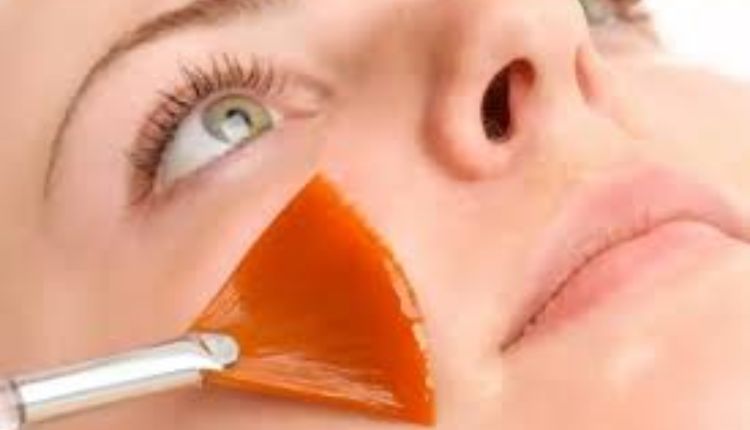
You just invested in a chemical peel. You expect smoother skin and fewer spots. Instead, you might now feel sting, tightness, or panic. That fear is common. The truth is that what you do in the days after a peel can protect your skin or damage it. Small choices matter. Scratching, skipping sunscreen, or using the wrong products can slow healing and cause marks that last. Many people at a spa wellness clinic in Hudson Valley share the same four mistakes. They rush back into normal routines. They test new creams. They ignore clear warning signs. You do not need special knowledge to avoid these traps. You only need clear steps and honest guidance. This blog explains the four most common mistakes people make after a chemical peel and shows you how to prevent them. Your skin can heal well. Your results can last.
Mistake 1: Picking, Scratching, Or Peeling The Skin
Your skin will flake. It may itch. It may feel rough. That does not mean you should help it along. When you pull or scratch, you tear skin that is not ready to shed. This can cause scars, dark spots, or infection.
The American Academy of Dermatology explains that peeling skin needs gentle care and protection to heal well. You can read more in their guidance on chemical peels here: https://www.aad.org/.
Use this simple plan instead:
- Keep your hands off your face.
- Pat skin dry. Do not rub with towels.
- Apply a plain, fragrance-free moisturizer as your clinician advised.
Warning signs that picking has caused harm include new bleeding, yellow crust, or pain that grows. If you see these signs, contact your clinician.
Mistake 2: Skipping Sunscreen And Shade
After a peel, your new skin is thin and open to sun damage. A few minutes of sun can undo your results. It can cause dark patches and uneven tone. It can also raise your skin cancer risk over time.
The Centers for Disease Control and Prevention gives clear sunscreen advice for every person and every age group. You can read their sun safety tips here: https://www.cdc.gov/.
Right after a peel, follow three rules:
- Stay indoors as much as you can during peak sun hours.
- Wear a hat and sunglasses outside.
- Use broad-spectrum SPF 30 or higher as soon as your clinician says it is safe.
Reapply sunscreen every two hours when you are outside. Also, reapply after sweating or swimming. Do not count on clouds or glass to protect your skin. Sunlight still reaches you.
Mistake 3: Using Harsh Products Too Soon
Many people want faster results. They reach for scrubs, retinoids, acne gels, or strong toners right after a peel. That choice burns the new skin and can cause swelling and lasting marks.
Right after a peel, your routine should be simple. Think of three steps.
- Cleanse with a gentle, non-foaming wash.
- Moisturize with a plain cream or ointment.
- Protect with sunscreen once your clinician approves it.
Wait to restart these products until your clinician clears you:
- Retinoids such as tretinoin or adapalene
- Alpha hydroxy acids such as glycolic or lactic acid
- Beta hydroxy acids such as salicylic acid
- Scrub cleansers or cleansing brushes
- Perfumed creams or makeup removers
If your skin stings, burns, or turns bright red after a product, rinse it off with cool water. Then stop that product and call your clinic.
Mistake 4: Ignoring Aftercare Instructions And Warning Signs
Your peel provider gave you written instructions. Many people skim them. Some toss them. That choice can cost you time, money, and comfort.
Read your instructions at least twice. Keep them in your bathroom so you can follow them step by step. If any point is unclear, call and ask. That call is part of your care, not a bother.
Pay attention to these three warning signs. They mean you should contact your clinic right away:
- Pain that gets stronger instead of milder
- Blisters, pus, or spreading redness
- Fever or feeling very sick
Quick contact can prevent worse injury. It can also protect your eyes and mouth if the peel touches those areas.
Simple Aftercare Comparison Table
This table shows common actions people take after a peel and better choices you can make instead.
| Common Action | Risk To Your Skin | Better Choice
|
|---|---|---|
| Picking at peeling skin | Scars and dark spots | Hands off. Let skin shed on its own. |
| Going outside without sunscreen | Burn, dark patches, uneven tone | Stay in shade. Use SPF 30 or higher when cleared. |
| Using scrubs or retinoids too soon | Burning and swelling | Use only a gentle cleanser and plain moisturizer. |
| Skipping written instructions | Slow healing and repeat peels | Read and follow every step from your provider. |
| Ignoring new pain or pus | Infection and scars | Call your clinic right away. |
How To Support Healing Each Day
Use this simple daily guide for the first week after your peel. Follow your own clinician if their plan differs. Their plan comes first.
- Day 1 to 2. Expect sting and tightness. Cleanse with cool water and a mild wash. Use the moisturizer your clinician gave you. Stay indoors if you can.
- Day 3 to 4. Peeling often starts. Do not pick. Keep skin moist. Wear a clean, soft pillowcase. Avoid gyms, pools, and saunas.
- Day 5 to 7. Peeling slows. Ask your clinician when to restart sunscreen and makeup. Start with small amounts and remove them gently at night.
Drink water. Eat regular meals with fruits, vegetables, and protein. Rest. Your whole body supports your skin as it mends.
When To Call Your Clinician Or Doctor
Do not wait and hope things improve if you feel scared about your skin. Call if you notice:
- Severe pain that wakes you at night
- Spreading redness beyond the treated area
- Thick yellow crust or pus
- Blisters filled with fluid
- Sudden trouble seeing after a peel near the eyes
Your clinician may ask you to send a clear photo or come in. Quick care can stop deeper harm and protect your long-term results.
Protect Your Results And Your Peace Of Mind
A chemical peel is not only about that one visit. The real change happens in the days after, in your bathroom, at your sink. Your choices can support healing or trigger harm.
Remember three core steps. Keep your hands off. Protect from the sun. Follow instructions and speak up early. When you do this, you respect your skin and your investment. You also give yourself a better chance at an even tone and smoother texture that lasts.