






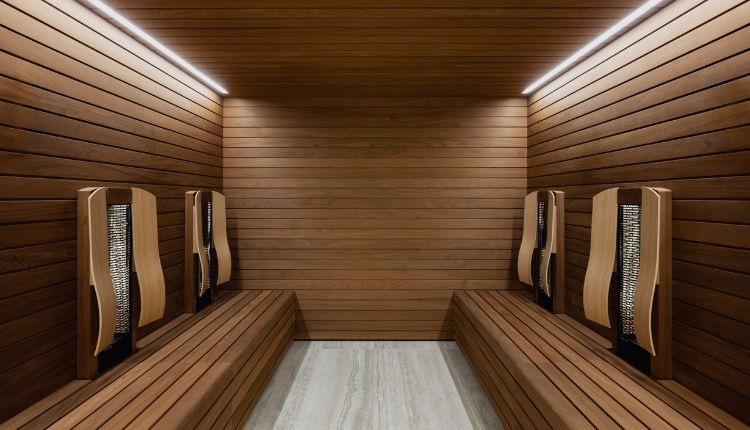
Infrared sauna use has transitioned from niche wellness practice to mainstream health routine for Australians seeking evidence-based approaches to recovery, detoxification, and overall wellbeing. What was once considered alternative therapy now has substantial research support and growing adoption among health professionals, athletes, and wellness-focused individuals.
Understanding what infrared saunas actually do, how they differ from traditional saunas, and what benefits are supported by research helps make informed decisions about incorporating sauna therapy into health routines.
Traditional vs. Infrared Sauna Technology
Traditional saunas heat air to extremely high temperatures (80-100°C), which then heats the body through convection. This creates the characteristic sauna environment of very hot air that can feel uncomfortable and difficult to tolerate for extended periods.
Infrared saunas use a fundamentally different approach. They emit infrared light waves that penetrate skin and directly heat body tissues without dramatically heating surrounding air. Operating temperatures typically range 50-60°C—substantially lower than traditional saunas whilst still inducing deep tissue heating and sweating.
This lower ambient temperature makes infrared saunas more tolerable for longer sessions and accessible to people who find traditional sauna heat overwhelming. Sessions typically last 30-45 minutes compared to 10-20 minutes in traditional saunas.
Cardiovascular Benefits
Research on sauna use and cardiovascular health has expanded substantially in recent years. Regular sauna bathing appears to support cardiovascular function through multiple mechanisms.
Heat exposure causes heart rate elevation similar to moderate exercise—typically increasing from resting 60-70 beats per minute to 100-150 during sauna sessions. This cardiovascular workout effect occurs without physical exertion impact on joints and muscles.
Blood vessel dilation during heat exposure improves circulation and may support healthy blood pressure levels. Studies have shown associations between regular sauna use and reduced cardiovascular disease risk, though more research is needed to establish definitive causal relationships.
For individuals unable to engage in traditional cardiovascular exercise due to injury, disability, or other limitations, infrared sauna provides alternative cardiovascular stimulation supporting heart health.
Detoxification Through Sweating
The body eliminates toxins through multiple pathways, with sweating representing one mechanism for removing certain compounds. Infrared sauna induces profuse sweating that may support toxin elimination.
Research has detected various compounds in sweat including heavy metals like lead, mercury, and cadmium, environmental chemicals, and metabolic waste products. Whilst the kidneys and liver handle primary detoxification functions, sweating provides complementary elimination pathway.
The deep tissue heating from infrared technology may mobilise stored toxins from fatty tissue, making them available for elimination through sweat and other pathways. However, it’s important to note that detoxification claims should be viewed cautiously—sauna use supports but doesn’t replace the body’s natural detoxification systems.
Muscle Recovery and Pain Relief
Athletes and active individuals increasingly incorporate infrared sauna into recovery protocols. Heat therapy has well-established benefits for muscle relaxation, pain relief, and recovery enhancement.
Increased blood flow to muscles during sauna sessions delivers oxygen and nutrients whilst removing metabolic waste products that accumulate during exercise. This enhanced circulation supports faster recovery and reduced muscle soreness.
Heat exposure may also reduce inflammation markers and support the body’s natural healing processes. Many users report reduced joint pain, muscle tension, and chronic pain conditions with regular sauna use, though individual responses vary.
The muscle relaxation effect extends beyond physical recovery—many people find sauna sessions provide stress relief and mental relaxation alongside physical benefits.
Skin Health and Appearance
Infrared sauna use affects skin through multiple mechanisms. Increased circulation delivers nutrients and oxygen to skin cells whilst enhanced sweating helps clear pores and remove impurities.
Regular sauna use may support collagen production through heat stress response, potentially improving skin elasticity and appearance over time. The deep sweating cleanses skin from within, complementing external skincare routines.
However, proper hydration is critical—sauna sessions cause significant fluid loss that must be replaced to maintain skin hydration and overall health.
Weight Management Support
Whilst sauna use shouldn’t replace diet and exercise for weight management, it may provide complementary support. The cardiovascular workout effect burns calories—estimates suggest 30-45 minute sessions may burn 300-600 calories depending on individual factors and session intensity.
More importantly, regular sauna use may support metabolic function and help maintain healthy body composition as part of comprehensive wellness approaches. Temporary water weight loss occurs through sweating but doesn’t represent fat loss.
Mental Health and Stress Reduction
The mental health benefits of sauna use are increasingly recognised. Heat exposure triggers endorphin release, creating feelings of relaxation and wellbeing. The quiet, meditative environment of Balmain sauna sessions provides valuable disconnection from daily stressors.
Regular sauna use has been associated with reduced depression and anxiety symptoms in some studies, though more research is needed to understand mechanisms and optimal protocols.
The forced relaxation during sauna sessions—free from phones, screens, and obligations—provides mental reset that many find valuable for stress management and mental clarity.
Sleep Quality Improvement
Many sauna users report improved sleep quality, particularly when sessions occur in evening hours. The temperature elevation during sauna use followed by cooling afterwards may support natural sleep processes.
Body temperature naturally drops as part of sleep initiation. The post-sauna cooling period may enhance this natural temperature decline, potentially improving sleep onset and quality.
Safety Considerations and Contraindications
Whilst infrared sauna use is generally safe for healthy individuals, certain conditions warrant caution or medical consultation before beginning sauna therapy.
Pregnancy, cardiovascular conditions, blood pressure concerns, certain medications, and recent injuries may contraindicate sauna use or require medical approval first. Proper hydration before, during, and after sessions is essential to replace fluid losses.
Sessions should be discontinued if dizziness, nausea, or discomfort occurs. Starting with shorter, lower-temperature sessions and gradually increasing duration and intensity allows the body to adapt safely.
Incorporating Sauna Into Wellness Routines
Consistency matters more than session intensity for achieving sauna benefits. Research suggests 3-4 sessions weekly provide optimal benefits, though even weekly use offers advantages over no sauna exposure.
When in Sydney, check out a Balmain sauna facilities provide proper equipment, comfortable environments, and guidance for maximising benefits whilst ensuring safety.
Combining sauna use with proper hydration, balanced nutrition, regular exercise, and adequate sleep creates comprehensive wellness approaches where benefits compound synergistically.