






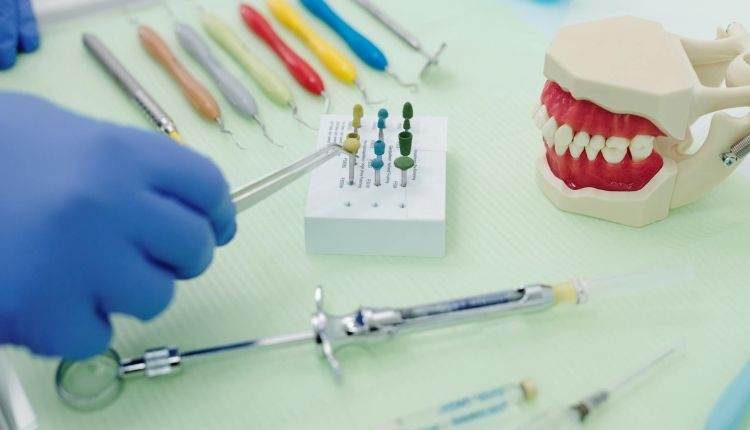
Your family dentist does more than fix problems. The goal is to stop pain before it starts. Every visit gives your dentist a chance to guard your teeth so you can eat, speak, and smile without worry. Four simple tools guide most of this work. These tools help find small problems early. They also help protect your teeth from decay, infection, and early tooth loss. When teeth cannot be saved, your dentist may also guide you toward tooth replacement in Surprise, AZ so you can stay strong and confident. You deserve clear facts, not pressure. This blog walks through the same tools your dentist uses on children, adults, and older patients. You will see how these tools work, what to expect during a visit, and how to use them at home. Then you can ask better questions and protect your own health.
1. Professional Cleanings
Routine cleanings are the base of prevention. You brush and floss at home. Yet soft plaque still hides between teeth. Over time it hardens into tartar. No brush can remove this. Only a dental cleaning can.
During a cleaning, the team:
- Scrapes away tartar from teeth and along the gumline
- Polishes teeth to slow plaque buildup
- Checks gums for early signs of infection
This work cuts your risk of cavities and gum disease. It also helps control bad breath. The Centers for Disease Control and Prevention explains that regular visits lower tooth loss for adults and older adults.
You can support cleanings with three simple steps.
- Brush twice each day with fluoride toothpaste
- Floss once each day
- Limit sugary snacks and drinks between meals
2. Dental Sealants
Sealants give extra protection to the chewing surfaces of back teeth. Those grooves trap food. They are hard to clean. Children and teens face the most risk, yet adults with deep grooves can benefit too.
The process is simple and quiet.
- The tooth gets cleaned and dried
- A gentle gel prepares the surface
- The sealant liquid goes on the grooves
- A light hardens the coating
The result is a thin shield that blocks food and germs. The coating feels smooth and does not change the chewing.
The evidence for sealants is strong. The American Dental Association points to research that sealants cut cavity risk in back teeth for children.
Here is a simple comparison.
| Tool | Main purpose | Best for | How often
|
|---|---|---|---|
| Sealants | Block food and germs in grooves | Children, teens, deep grooves | Once, with touch-ups as needed |
| Fluoride | Strengthen tooth enamel | All ages with cavity risk | Every 3 to 12 months |
| Cleanings | Remove plaque and tartar | Everyone | Every 6 to 12 months |
| X rays | Find hidden problems | Children and adults | Every 1 to 5 years, based on risk |
3. Fluoride Treatments
Fluoride is a natural mineral. It helps teeth repair early damage. It also makes enamel harder. You already get some fluoride from toothpaste and often from tap water. Professional fluoride gives extra strength when the risk is higher.
At a visit, the team may place fluoride as:
- A foam in small trays
- A gel painted on teeth
- A varnish that sticks to tooth surfaces
The process is quick and painless. You may need to wait a short time before eating or drinking. Your dentist suggests how often you need fluoride. That choice depends on past cavities, diet, and home care.
Common times when fluoride helps most include three stages.
- Childhood, when teeth are still forming
- Teen years with frequent snacks and drinks
- Older age when gums pull back, and roots show
4. Dental X Rays
X-rays help your dentist see what eyes cannot see. A tooth can look fine on the surface yet hide decay between teeth or under fillings. Bone loss from gum disease also starts out of sight.
Different types of X rays show different parts of the mouth.
- Bitewing images show decay between back teeth
- Periapical images show the root and bone of one tooth
- Panoramic images show the whole jaw and sinuses
Current digital X rays use very low radiation. The amount is usually less than what you get from a short plane flight. Lead aprons and thyroid collars add more safety. You can ask about type and timing of each image. The team should explain the reason in clear words.
How These Tools Work Together
Each tool has a role. Together they form a simple plan.
- Cleanings remove buildup and give a clear view
- Sealants protect weak spots before decay starts
- Fluoride strengthens all tooth surfaces
- X rays track changes that you cannot feel yet
This mix helps you avoid sudden pain, swelling, and urgent visits. It can also cut long term costs. Preventive care often costs less than fillings, crowns, or extractions.
What You Can Do Between Visits
You share control of your oral health. Simple daily habits support the tools your dentist uses.
- Brush two times each day for two minutes
- Use a pea-sized amount of fluoride toothpaste
- Floss or use another cleaner between teeth once each day
- Drink water instead of sugary drinks most of the time
- Do not ignore bleeding gums or tooth pain
When you understand these four tools, you can take part in choices. You can ask why a sealant or X-ray is suggested. You can ask how often you need fluoride. You can also plan for tooth replacement in a calm way if that day comes. Steady, preventive steps protect your comfort, your budget, and your peace of mind.