






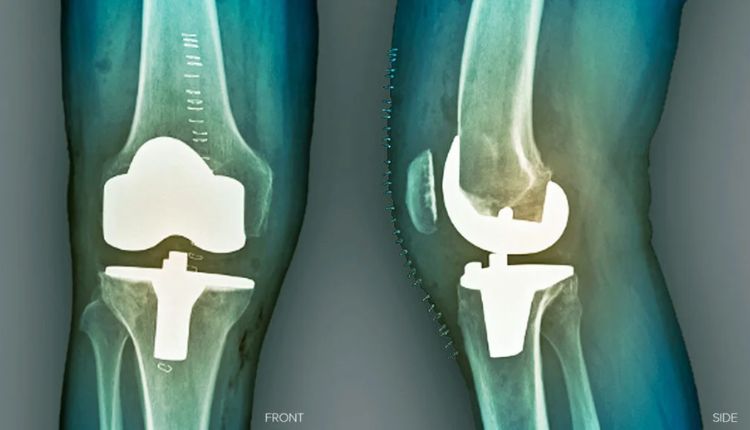
Major bone or joint surgery can feel like a long road, both physically and emotionally. Whether it is a knee replacement, hip surgery, or a complex fracture repair, the days and weeks after the procedure are just as important as the surgery itself. Recovery is not only about healing the body but also about learning how to move, rest, and care for yourself again.
For most patients, the first few weeks can bring a mix of relief, pain, and uncertainty. There are moments of progress and moments that test patience. It helps to remember that healing from such a procedure does not follow a straight line. Every person moves at their own pace, guided by professional support and a willingness to stay consistent with recovery routines.
A trusted orthopedic specialist often reminds patients that recovery begins long before the first step after surgery. It starts with preparation, realistic expectations, and a commitment to follow through. The combination of medical supervision, physical therapy, and personal effort shapes how effectively the body regains strength and mobility.
Early Stages of Recovery
The first few days after major surgery are usually the most delicate. The body focuses on healing the surgical area while adjusting to new movements and routines. For many patients, rest and pain management are key during this period. The hospital team carefully monitors swelling, wound healing, and the return of basic mobility.
Understanding Pain and Patience
It is natural to feel discomfort after bone or joint surgery. Pain means the body is healing, but it does not always indicate a problem. Managing pain with prescribed medication and gentle movements can support recovery. Staying patient during this stage helps reduce frustration and discouragement. A calm mindset makes it easier to follow medical advice and trust the recovery process.
The Role of Gentle Movement
Even with soreness, gentle movement is essential to recovery. Doctors often encourage small, guided exercises that help prevent stiffness and build strength safely. Something as simple as flexing the ankle or bending the knee slightly can improve blood flow and reduce the risk of complications. These small actions play a critical role in maintaining mobility throughout recovery.
Nutrition and Rest
Good nutrition is another important factor in healing. Protein, calcium, and vitamins help the body repair tissues and strengthen bones. Balanced meals paired with proper hydration create the right environment for tissue repair and recovery. Rest is equally vital. The body needs time to focus energy on recovery, which means prioritising sleep and avoiding a rushed return to daily tasks.
Regaining Strength and Confidence
Once the initial pain and swelling ease, the focus shifts to gradually rebuilding strength. This stage often involves physical therapy, gradual independence, and emotional adjustment. Each small milestone, like walking a few more steps or bending a little more easily, reflects meaningful progress.
Working with Physical Therapy
Physical therapy is one of the most important parts of recovery. Therapists design programs tailored to the patient’s procedure and healing speed. These exercises may start simple but become more challenging as strength improves. Consistency matters more than intensity during this stage.. Regular sessions teach proper movement, reduce stiffness, and rebuild balance. Over time, these activities help restore movement patterns and rebuild confidence.
Managing Fear and Motivation
Many patients find the mental side of recovery just as demanding as the physical one. Fear of pain or reinjury can make them hesitant to move. This is normal, and addressing it through open communication can help ease concerns. Talking to therapists or doctors about doubts or difficulties can ease anxiety. Motivation can waver, especially when progress feels slow. Celebrating small achievements keeps spirits high and reminds patients that every effort counts.
Going Back to Everyday Life
As recovery continues, people gradually begin to return to daily routines. This stage involves rebuilding strength for household tasks, work, and hobbies. It also requires paying attention to signs from the body, learning when to push forward and when to rest.
Maintaining Long Term Care
Long term bone and joint health depends on lifestyle habits maintained after recovery. Gentle stretching, regular movement, and maintaining a healthy weight all protect the joints. Avoiding overexertion and taking breaks during activities prevent unnecessary strain. Follow up visits are essential to monitor healing and catch any issues early. Recovery may take months, but with steady care, most patients can return to an active and functional lifestyle.
Emotional Well Being and Support
Healing is not only physical. Emotional recovery can also take time. Some people experience mood changes or frustration as they navigate limitations or pain. Support from family, friends, and healthcare providers can make a significant difference. Staying connected and finding purpose through hobbies or light social activities helps restore a sense of normalcy and joy. A positive perspective can be one of the most valuable tools in recovery.
Final Thoughts
Recovering from major bone or joint surgery takes time, care, and patience. The body heals best when supported by good habits, trusted professionals, and a balanced mindset. While each person’s journey looks different, the goal is the same, to regain comfort, confidence, and ease of movement. With steady guidance from medical experts and self compassion throughout the process, long term healing is possible and can be deeply rewarding.