






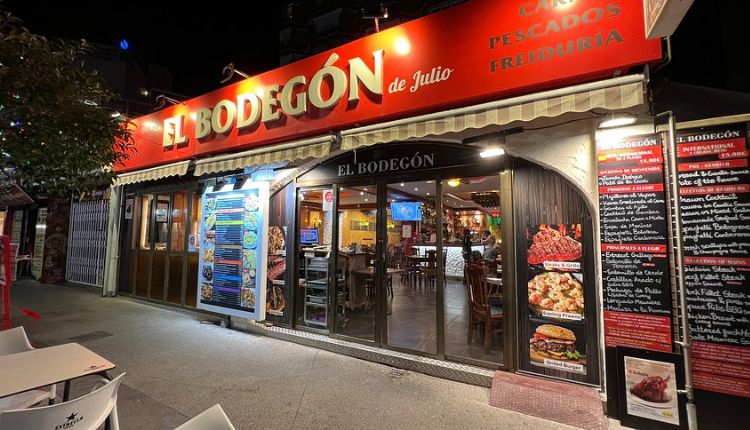
‘El Bodegon’ is one such term that resonates with warmth, identity, and tradition. Whether it is a rustic restaurant, a local pub, or an artistic representation of classic still life paintings, the bodegon concept has an emotional connection built over centuries. Today it stands as a bridge between history and modern hospitality, symbolizing simplicity, taste, and togetherness.
This article examines the origins, cultural significance, modern interpretations, and lasting influence of Bodegon, offering an in-depth look at why the name continues to inspire restaurants, artists, and communities around the world.
The historical roots of El Bodegon
The word ‘bodegón’ originally appeared in Spain in the early 17th century. It referred not only to modest pubs or small shops selling food and drink but also to a style of painting that depicted pantry items, food, kitchen tools, and rustic scenes. These paintings were simple but powerful, depicting everyday objects as symbols of life’s basic needs.
In a traditional setting, the bodegon served as the heart of the community, where people gathered to eat, chat, and enjoy the local flavours. These businesses reflected a time when life was slower, and food was prepared with care and authenticity.
Over time, the name El Bodegon became a popular choice for restaurants that aimed to preserve the charm of traditional Spanish or Latin cuisine.
Artistic meaning behind the name
Before “El Bodegon” became popular as a restaurant name, it was a term deeply associated with classical art. Bodegon-style paintings were particularly prominent during Spain’s Golden Age. Artists like Juan Sánchez Cotán and Diego Velázquez mastered the art of capturing everyday objects with incredible detail.
These paintings were awarded for:
- Their realism and simplicity
- Their ability to lift common objects
- Their symbolic meaning relates to life, nature and survival
- Their connection with spirituality and everyday life
The use of the name Bodegon by modern establishments often pays homage to this artistic heritage, connecting food with visual culture and tradition.
Evolution to modern eating
As food culture expanded globally, many restaurants adopted the name El Bodegon to embrace the concept of honest, hearty meals served in cosy surroundings. In various countries, you can find restaurants that use this name to emphasise Spanish, Argentinian, Mexican, or general Latin-inspired cuisine.
Modern bodegons preserve several elements of tradition:
- Cozy and warm decor
- Rustic furniture
- Traditional recipes
- Generous portion sizes
- Emphasis on family-style dining
These spaces reflect hospitality, familiarity and warmth – qualities that appeal to guests seeking comfort and authenticity.
Why is this concept so popular today?
The world is becoming ever faster and people are often drawn to experiences that are authentic and connected to the past. El Bodegon represents just that – a reminder of slow-cooked food, shared meals and meaningful conversations.
Some of the main reasons for its popularity include:
- Nostalgia and authenticity
People want real flavours and environments that feel personal. The bodegon concept captures the charm of simpler times.
- Cultural connection
For Hispanic and Latino communities, the name resonates with heritage and pride, often evoking memories of family reunions.
- Artistic influence
The historical art associated with the bodegon image adds another layer of identity and cultural value.
- Versatility
Restaurants, cafes, wine bars and tapas houses use this name effectively, as it symbolizes both food and culture.
The symbolism behind the concept
At its core, El Bodegon tells a story. Symbolizes:
- Food as a source of comfort
- Community as a pillar of everyday life
- Art as a reflection of tradition
- Interweaving of past and present
Thanks to these symbolic elements, the name has much more meaning than just a place to eat.
The role of food in identity
Food plays a central role in defining the meaning of El Bodegon. Historically, these establishments served home-cooked food made with simple, fresh ingredients. Today, the idea is similar in modern variations.
Popular dishes at restaurants bearing this name often include:
- Grilled meat
- tapas
- Stews and soups
- Fresh bread
- Wine and rustic drinks
- Regional specialties depend on cultural origin
Key features of the Bodegon-style kitchen:
- Generous portions
- Traditional recipes
- Utensils focused on convenience
- Locally sourced ingredients
Such dishes not only ward off hunger but also create an emotional memory, which contributes to the enduring popularity of the concept.
How El Bodegon inspires modern hospitality
Many new restaurants are looking to the bodegon model when designing their atmosphere, service style, and menu. The following features are often inspired by the traditional approach:
- Wooden decor in earth tones
- Low lighting to create a cozy environment
- Open the kitchen to view the cooking process
- Family-style services for larger groups
- Artworks inspired by classical paintings in the bodegon
Together, these elements create an atmosphere where visitors can relax and feel at home.
Global dissemination and adaptation
Although the origin of the bodegon concept is rooted in Spain, its influence has spread throughout the world. In Latin America, this name is commonly used for restaurants specialising in hearty comfort food. In Europe and the United States, establishments use this name to attract customers looking for a traditional or artistic dining experience.
The global expansion of the concept highlights its universal appeal – people everywhere connect with authenticity, warmth, and cultural storytelling through food.
Tips for creating a business around this concept
For people interested in naming or designing a restaurant with the essence of El Bodegon, here are some helpful points to consider:
- Points to make the concept more appealing
- Choose warm and rustic interior themes
- Offering traditional recipes with a modern twist
- Display art inspired by classical paintings in a bodegon
- Aim for generous portion sizes
- Create a pleasant and homely atmosphere
- Include regional wines or craft beverages
- Keep the menu simple and ingredient-focused
A well-designed bodegon-style restaurant can attract customers who are looking for a space that is both cultural and soothing.
Why the name continues to stick out
Despite countless modern restaurant names, El Bodegon continues to stand out because of its deep meaning. It evokes emotions, culture, heritage, and art. In addition, it appeals to both the older generation with nostalgic memories and the younger audience looking for authentic experiences.
The combination of food, tradition, and simplicity makes it timeless.
The Bottom Lines
El Bodegon is more than a name—it is a reflection of culture, art, community, and culinary heritage. Whether understood through classical Spanish still-life paintings or through cozy traditional eateries, the concept embodies warmth, authenticity, and togetherness. Its historical roots and global influence demonstrate the timelessness of simple, meaningful craftsmanship.
In today’s rapidly changing world, the essence of El Bodegon remains a comforting reminder of shared meals, heartfelt conversations, and cultural pride. Its charm lies in its simplicity, its ability to connect generations, and its deep cultural identity.
FAQs
1. What does ‘bodegón’ mean?
It refers to a traditional Spanish-style eatery or a term linked to classic still-life paintings featuring food and kitchen items.
2. Why do many restaurants use this name?
Because it conveys tradition, warmth, cultural flavour, and authenticity, making it appealing for food-related businesses.
3. Is Bodegon connected to art?
Yes. In Spanish art history, a bodegón is a style of still-life painting that became popular in the 17th century.
4. What type of food is served in bodegon-themed places?
Typically hearty and traditional dishes, including stews, grilled meats, tapas, soups, and rustic breads.
5. Why is the concept still relevant today?
Its authenticity, simplicity, and cultural depth make it timeless and appealing to modern diners seeking meaningful experiences.