






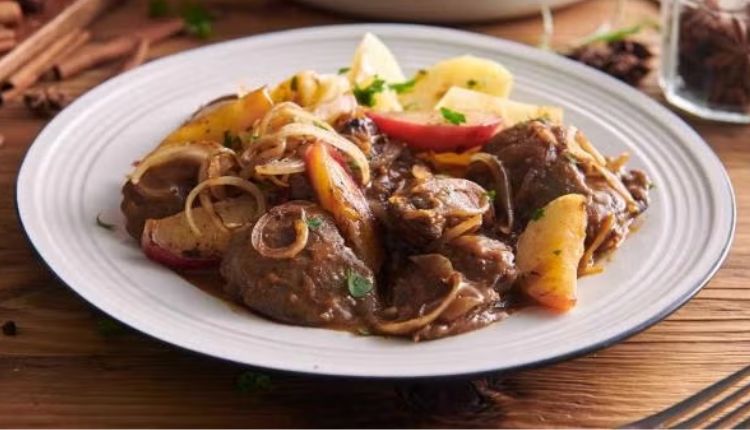
Its unique blend of tender liver, caramelised onions, and rich spices offers a culinary experience that is both comforting and delicious. Despite its simplicity, higado encebollado occupies an important place in family meals, festive gatherings, and traditional home cooking. In this article, we’ll explore everything about encebollado—from its origins and preparation methods to its health benefits and serving suggestions.
Origin of Higado Encebollado
Higado encebollado has its roots in Spanish and Latin American culinary traditions. Spain introduced liver dishes to its colonies, where local ingredients and cooking techniques evolved into a recipe uniquely recognised in countries such as Puerto Rico, Cuba and the Dominican Republic. In each region, the dish reflects local flavours, from the citrus marinades of Puerto Rico to the smoked peppers of the Caribbean islands.
The longevity of this dish in Latin cuisines is a testament to its versatility and nutritional value. Families often serve encebollado as a hearty main course combined with rice, beans or plantains, making it a staple of everyday life as well as festive occasions.
The ingredients that make Encebollado special
The magic of higado encebollado lies in its simplicity and harmony of flavours. Traditional ingredients include fresh beef liver, onions, garlic, olive oil and various spices. Some variations include paprika, vinegar or citrus juice for a spicy kick. Choosing fresh liver is essential to achieve the right texture – tender and slightly sweet, contrasting with the onions.
Using fresh, high-quality ingredients ensures that every bite is rich in flavour. Many home cooks swear by marinating livers in garlic, lime juice, or a splash of wine to reduce their naturally strong flavour and increase tenderness.
Preparation of Higado Encebollado step by step
Making higado encebollado is simple but requires careful attention to cooking time. Overcooking the liver can make it tough, while undercooking can leave an overly strong flavor. The general steps are:
- Cleaning and slicing the liver: Remove any membranes or veins and cut into thin slices.
- Marinating: Mix the liver slices with garlic, lime juice, salt and pepper. Let it rest for at least 20 minutes.
- Cooking the onion: In a hot pan with olive oil, fry the onion until soft and golden.
- Cooking the liver: Fry the slices of liver quickly over medium-high heat until cooked.
- Combine the ingredients: Add the onions back to the pan and let the flavors meld before serving.
The result is beautifully tender liver with sweet caramelised onions – a dish that is simple and elegant.
Nutritional benefits of Encebollado
Higado encebollado is not only tasty but also nutritious. Liver is full of essential vitamins and minerals, including vitamin A, vitamin B12, iron and zinc. These nutrients support immune function, energy production and red blood cell production. Meanwhile, onions provide antioxidants and compounds that promote heart health and reduce inflammation.
While liver is highly nutritious, it is also rich and should be consumed in moderation. Pairing encebollado with complex carbohydrates like rice or vegetables helps create a balanced, satisfying meal.
Cultural significance of Encebollado
In many Latin American households, encebollado is more than just a food—it’s a symbol of tradition and family. Grandparents often pass down their secret recipes, and each family adds their own personal touch, whether it’s a special blend of spices or a unique cooking technique.
Higado encebollado is also a popular dish during festive celebrations, offering a sense of nostalgia and connection to one’s cultural roots. It represents home cooking at its best – comforting, tasty and steeped in history.
Providing suggestions and pairings
Higado encebollado can be served in different ways. Common accompaniments include:
- White or yellow rice that soaks up the tasty juice.
- Refried beans or black beans for a hearty side dish.
- Fried bananas or yuca for a sweet contrast.
- A fresh salad to balance the richness of the liver.
Some chefs recommend garnishing the dish with fresh cilantro or lime juice to brighten the flavours. Whether served as a casual weekday meal or at a special family gathering, encebollado pairs beautifully with traditional Latin staples.
Tips for the perfect Encebollado
Achieving the perfect higado encebollado requires attention to several key points:
- Always use fresh liver for tenderness.
- Avoid overcooking to avoid a tough texture.
- Caramelise the onions slowly for maximum sweetness.
- Consider marinating the liver to enhance the flavour and reduce the strong flavour.
With these tips, anyone can master this classic dish and impress friends and family with an authentic Latin dining experience.
Variation across Latin America
Different countries have their own interpretations of higado encebollado:
- In Puerto Rico, a splash of vinegar or citrus is often added to the marinade.
- In the Dominican Republic, peppers and oregano are common additions.
- In Cuba, liver may be cooked with tomato sauce for a richer flavor.
Exploring these variations can inspire creativity in the kitchen and deepen appreciation of Latino culinary diversity.
Health aspects
While higado encebollado is nutritious, it is high in cholesterol. Those with dietary restrictions should enjoy it in moderation or combine it with fibre-rich supplements. Cooking liver at the correct temperature helps preserve nutrients while reducing potential bitterness.
For a healthier twist, some cooks opt for leaner meat or plant-based liver substitutes, although the authentic taste may vary slightly.
Conclusion
Higado encebollado is more than just food – it’s a celebration of Latin flavours, tradition, and family. Its combination of tender liver, caramelised onions, and carefully selected spices makes it a versatile and satisfying dish. Whether you’re exploring Latin cuisine for the first time or revisiting childhood favourites, encebollado offers an unforgettable dining experience that nourishes body and soul.
Frequently asked questions about Encebollado
Q1: Can I use chicken liver instead of beef liver?
Yes, chicken liver can be used, but the flavour and texture will be milder. Adjust the cooking time accordingly, as chicken liver cooks faster.
Q2: How long should I marinate the liver?
Ideally, 20-30 minutes. Longer marinating may improve flavour but may result in a softer texture than desired.
Q3: Can I freeze encebollado?
Yes, cooked liver can be frozen, but fresh liver is recommended for the best texture and flavour.
Q4: Is encebollado healthy?
Yes, it is rich in vitamins and minerals, but moderation is key due to its high cholesterol content.