






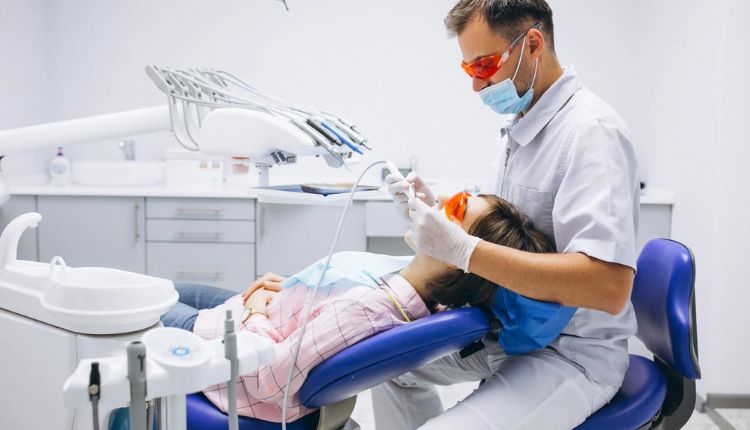
Your mouth carries your stories, your stress, and your daily habits. General dentistry helps you keep that story from turning into pain or loss. You might think you only need a dentist when something hurts. That belief often leads to deeper damage and higher costs. Regular checkups, cleanings, and simple repairs protect you from that cycle. A trusted general dentist watches small changes, fixes what is broken, and stops new problems from starting. This balance between restoring and preventing keeps your teeth working and your smile steady. At a dental practice in Fresno, you can use general dentistry as your base for long term oral health. You do not need to guess what is wrong or wait for a crisis. You can build a plan that respects your time, your budget, and your comfort.
Why Balance Matters For You And Your Family
Teeth do not heal like skin. Once decay or cracks start, they spread. Prevention slows that spread. Restorative care repairs the harm that already exists. You need both.
This balance matters for three simple reasons.
- It cuts pain before it starts.
- It protects your money over many years.
- It guards your ability to chew, speak, and smile with ease.
The Centers for Disease Control and Prevention links poor oral health to heart disease and diabetes. So when you protect your mouth, you protect your body.
What General Dentistry Actually Does
General dentistry is your first line of defense. It also becomes your repair shop when something goes wrong. You do not need a long list of services to understand it. Think in three groups.
- Prevention
- Early repair
- Support for long term problems
Prevention includes cleanings, exams, X-rays, fluoride, and sealants. Early repair includes small fillings and simple gum treatment. Support includes crowns, bridges, dentures, and working with specialists when needed.
Preventive Care: Small Steps That Block Big Problems
Preventive care looks simple. It carries strong power for your health and your wallet.
- Regular exams. Your dentist spots decay, wear, and gum changes before you feel pain.
- Professional cleanings. These remove plaque and tartar that brushing and flossing miss.
- Fluoride treatments. Fluoride helps harden tooth enamel and lower decay.
- Sealants for children. Sealants cover deep grooves in back teeth where food gets trapped.
- Simple habit coaching. You learn how often to brush, how to floss, and what foods cause harm.
The National Institute of Dental and Craniofacial Research reports that tooth decay remains one of the most common chronic diseases in children and adults. Preventive visits give you a chance to stop that pattern.
Restorative Care: Fixing Damage With Careful Repair
Even with strong habits, teeth can crack, wear down, or decay. Restorative care fixes what is already harmed and protects what is left.
- Fillings. These treat cavities and stop decay from spreading.
- Crowns. These cover weak or broken teeth so you can chew.
- Root canal treatment. This removes infected pulp and saves the tooth.
- Bridges and dentures. These replace missing teeth so you can eat and speak.
- Repairs to broken or worn fillings. These keep older work from failing.
Restorative care gives you function again. It does not replace prevention. You still need cleanings and exams to protect the repaired teeth and the rest of your mouth.
How Prevention And Restoration Work Together
Think of your care in three stages. You prevent, you repair, then you protect the repair.
- You prevent decay with cleanings and home care.
- If decay starts, you get a filling or crown.
- You protect that filling or crown with regular checkups and cleanings.
This cycle keeps small problems from turning into extractions or major surgery. It also helps your dentist track slow changes in your bite, gums, and jaw joints.
Cost And Time: Prevention Versus Repair
Many people delay cleanings because of cost or time. That delay often leads to higher bills and more visits. The pattern below shows why steady general care matters.
| Type of visit | Typical timing | Common outcome | Long term impact
|
|---|---|---|---|
| Regular exam and cleaning | Every 6 months | Early decay or gum issues found | Lower cost and fewer urgent visits |
| Filling after early cavity | 1 short visit | Pain avoided | Tooth saved with simple repair |
| Crown after large decay or crack | 2 or more visits | Tooth preserved | Higher cost yet still saves the tooth |
| Extraction after severe damage | Urgent visit | Tooth lost | Need for bridge, implant, or denture |
Routine care catches problems in the first two rows. Skipped visits often move you into the last two rows. That shift means more time off work, more stress, and more money.
What This Balance Looks Like For Children
Children need the same balance as adults. They also need extra patience and clear steps.
- First dental visit by age one or when the first tooth appears.
- Twice yearly cleanings once many teeth are in.
- Sealants on back teeth when they come in.
- Fluoride use at home and in the office is safe.
When a cavity appears, a quick filling keeps the baby tooth in place. That guides adult teeth into better positions and supports speech and chewing.
How To Work With Your General Dentist
You can use three simple steps to keep balance in your care.
- Show up on a regular schedule for exams and cleanings.
- Ask clear questions about any recommended treatment.
- Follow through with home care that fits your life.
You do not need perfect habits. You only need steady ones. Your dentist can help you adjust your brushing, flossing, and food choices in small, realistic ways.
Taking Your Next Step
General dentistry gives you something rare. It gives you control. You can stop many problems before they start. You can also fix damage early before it takes your teeth or your comfort.
When you use your general dentist as a long-term partner, you protect your mouth, your body, and your peace of mind. You deserve teeth that let you eat without fear and smile without worry. Regular preventive visits, paired with careful restorative work when needed, create that steady balance for you and your family.