






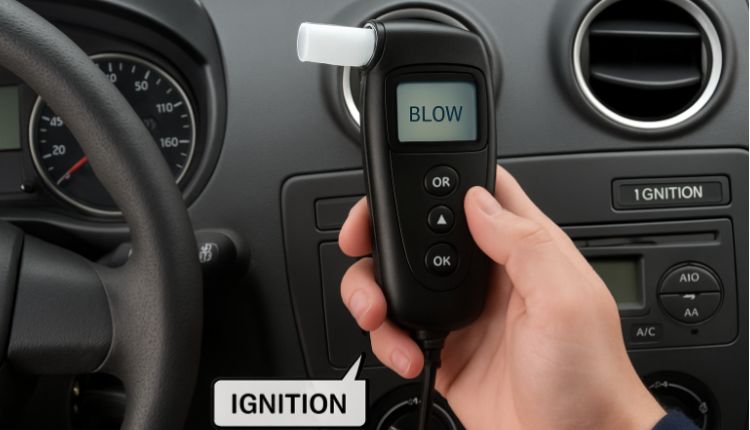
Ignition Interlock Devices (IIDs) serve as a crucial solution in the push for safer roads by directly preventing impaired individuals from operating vehicles. An Ignition Interlock Device is a breathalyzer that is electronically connected to a car’s ignition system, requiring the driver to pass a breath alcohol test to start the vehicle. This proactive approach transforms both legal and cultural attitudes towards drunk driving, emphasizing prevention over punishment. The real-world impact of these devices extends beyond individual cases.
As more states and municipalities mandate IID installation for DUI offenders, the ripple effect is visible in widespread safety improvements. The use of IIDs not only removes immediate threats from roads but also acts as a strong deterrent, signaling that impaired driving will be met with immediate consequences and close monitoring. The preventive nature of interlock devices makes them an integral part of comprehensive road safety strategies nationwide. Communities have witnessed transformative benefits as technology continues to evolve, making IIDs less intrusive and more accessible.
Additionally, the robust data gathered from these devices has enabled law enforcement, lawmakers, and advocates to refine policy and maximize the effectiveness of IIDs in reducing impaired driving.
Many jurisdictions are now exploring ways to integrate and expand their use across various segments of the population, including commercial drivers and repeat offenders. Research conducted by the Centers for Disease Control and Prevention (CDC) and other reputable agencies provides compelling evidence supporting the broad deployment of IIDs. Their documented effectiveness not only helps save lives but also shifts public perception around accountability and road safety, making IIDs an accepted and often advocated tool in the ongoing effort to combat drunk driving.
Effectiveness of IIDs in Reducing Recidivism
The proven effectiveness of ignition interlock devices in reducing recidivism is supported by robust research and real-world results. According to data from the Centers for Disease Control and Prevention (CDC), the installation of IIDs results in approximately 70% fewer repeat drunk driving offenses compared with license suspension alone. This direct, measurable decrease demonstrates the device’s value in preventing chronic impaired drivers from reoffending.
By interlocking personal accountability with the act of driving, IIDs act as both a physical and psychological deterrent, raising awareness and promoting safer driving habits. Additionally, IIDs reinforce judicial and legal consequences, ensuring DUI offenders can’t simply ignore penalties and drive anyway. Instead, they establish a structure that closely monitors compliance, allowing violations to be swiftly addressed. Consistent feedback and monitoring further reinforce the developmental shift in an offender’s behavior, providing them and society with a safe, rehabilitative pathway for others.
Impact of Mandatory IID Laws on Traffic Fatalities
The widespread implementation of mandatory IID laws has contributed to a significant reduction in traffic fatalities related to alcohol impairment. A comprehensive study cited by the National Highway Traffic Safety Administration (NHTSA) found that states with broad IID mandates experienced up to a 16% decrease in drunk driving deaths.
These statistics are not only encouraging but also crucial for informing future legislative strategies to prevent drunk driving. These laws have redirected attention from punishment to prevention, reinforcing the belief that every life saved is valuable. They also highlight that the broader benefits, including fewer accidents, lower medical expenses, and safer communities, make investing in ignition interlock devices not only reasonable but essential.
Technological Advancements in IID Design
Innovations in IID technology have broken down many of the initial barriers to widespread adoption. Modern devices are not only more compact and discreet but also feature real-time reporting, GPS location tracking, and biometric verification to ensure compliance and prevent tampering. These enhancements allow real-time alerts to authorities if someone attempts to circumvent the system, while also making IIDs more user-friendly and less cumbersome.
The rise of wireless connectivity enables monitoring agencies to receive up-to-the-minute data, thereby strengthening law enforcement’s role and providing reassurance to the public. Advancements in this field are ongoing, with regular improvements focusing on accuracy, reliability, and privacy protections. The goal is always to balance public safety with respect for individual rights, maximizing the benefits of the devices while mitigating any inconveniences or drawbacks for users.
Public Support and Policy Implementation
Public support for ignition interlock devices has surged as awareness of their effectiveness has grown. Recent polls show that most Americans support the use of IIDs for all DUI offenders, including first-time offenders. This sentiment has translated into political momentum, encouraging lawmakers to draft and pass legislation expanding IID requirements. Policy implementation is often supported by advocacy groups and public health organizations that highlight the societal costs of impaired driving. The strong consensus between the public and policymakers has enabled the implementation of IIDs more broadly and secured funding for assistance programs that help remove financial barriers for low-income offenders.
Challenges and Considerations
Despite their effectiveness, ignition interlock devices face several implementation challenges. A significant concern is circumvention, as some offenders may choose to drive without an IID or to avoid installing the device altogether. There are also logistical and financial barriers, particularly for low-income individuals, that hinder compliance. To maximize their potential, comprehensive enforcement strategies must be paired with public information campaigns and financial aid. States and local governments continue to evaluate ways to close loopholes and ensure equitable access to this essential technology. Advances in IID technology, paired with educational and support efforts, promise to make these hurdles surmountable in the near future.
Conclusion
Ignition Interlock Devices have revolutionized efforts to keep roads free of the dangers of drunk driving. Their ability to significantly reduce recidivism and save lives, supported by technological innovation and strong public backing, makes them a cornerstone of modern road safety policy. Ongoing advancements and broader policy adoption can further strengthen their positive impact, contributing to a future with safer roads for everyone.