






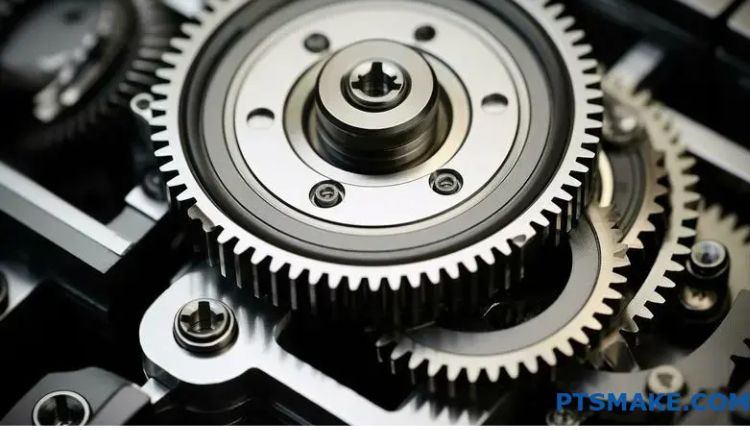
High-torque machinery operates under constant mechanical strain. Equipment such as crushers, rotary kilns, heavy conveyors, mixers, and industrial drives depend on stable torque transfer to maintain output and protect surrounding components. When drivetrain elements are under-specified or mismatched to operating conditions, the result is rarely immediate failure. Instead, wear accumulates gradually, maintenance intervals shorten, and downtime becomes less predictable.
In these environments, selecting the right ring gear is not a routine sourcing decision. It is a structural choice that affects load distribution, vibration control, and long-term reliability. Using a structured gear specification framework allows procurement and engineering teams to reduce ambiguity and align component design with real operational demands.
Understanding the Role of a Custom Ring Gear Guide in High-Torque Design
A ring gear in high-torque applications must transfer force evenly while resisting fatigue and surface degradation. A structured reference such as a Custom Ring Gear guide provides a framework for translating operational requirements into technical specifications.
Rather than focusing only on diameter or tooth count, such a guide helps teams evaluate geometry, load patterns, environmental exposure, and lifecycle expectations. In high-torque systems, small mismatches in tooth profile or material strength can amplify stress concentration over time.
Why a Structured Approach Reduces Risk
Without a documented framework, specification may rely on precedent or rough comparison to similar equipment. That approach increases the likelihood of:
- Overlooking peak torque spikes
- Ignoring environmental corrosion factors
- Underestimating fatigue cycles
A formalized guide supports consistency across engineering, procurement, and supplier communication.
Step 1: Define Actual Torque and Load Characteristics
High-torque systems often experience both steady and shock loads. Before specifying geometry, teams must understand how force behaves in the application.
Key questions include:
- Is torque constant or cyclical?
- Are load reversals expected?
- Does the system experience sudden impact events?
Mechanical principles described in general gear design references such as gear fundamentals explain how tooth contact and pressure angle influence force transfer. In high-load systems, these principles must be applied precisely rather than generically.
Translating Load Data into Specification
A guide-based approach helps define:
- Required face width to distribute stress
- Tooth geometry suited to load intensity
- Safety margins aligned with duty cycle
This reduces the risk of selecting a component rated for average conditions but not for peak demand.
Step 2: Align Geometry with Assembly Constraints
High-torque equipment typically operates within large, rigid housings. However, dimensional constraints still matter. Shaft spacing, bearing alignment, and mounting surfaces influence gear performance.
A structured guide encourages teams to document:
- Exact mounting interface dimensions
- Acceptable runout limits
- Housing tolerances
Preventing Alignment-Driven Wear
Misalignment increases localized stress along the tooth edge. In high-torque systems, even slight deviation accelerates pitting and surface fatigue.
Clear dimensional documentation supports:
- Stable engagement with mating gears
- Reduced vibration under sustained load
- Improved bearing protection
Step 3: Specify Material for Stress and Environment
Material selection is central to high-torque performance. Standard alloy steels may perform adequately in moderate applications, but demanding environments often require enhanced strength or corrosion resistance.
A structured specification guide prompts evaluation of:
- Core tensile strength requirements
- Surface hardness expectations
- Exposure to moisture, dust, or chemicals
Matching Material to Operational Exposure
In heavy-duty industrial settings:
- High-strength alloys reduce crack initiation
- Proper heat treatment improves surface durability
- Corrosion-resistant materials prevent long-term degradation
Selecting material without reference to actual operating conditions increases lifecycle risk.
Step 4: Define Heat Treatment and Surface Hardness Parameters
Heat treatment determines how a gear balances surface hardness with core flexibility. In high-torque systems, both characteristics are necessary. Excessive brittleness can lead to sudden tooth fracture, while insufficient hardness results in rapid wear.
A guide-based process ensures specification includes:
- Target hardness range
- Case depth aligned with load intensity
- Verification documentation requirements
Controlling Fatigue Resistance
Surface fatigue accumulates gradually. Properly defined heat treatment supports:
- Resistance to microcracking
- Controlled wear progression
- Longer service intervals
This directly influences maintenance planning and cost predictability.
Step 5: Evaluate Tolerance and Tooth Accuracy Requirements
Precision influences performance stability. In high-torque applications, uneven tooth spacing or profile deviation amplifies vibration.
A specification framework helps clarify:
- Tooth profile accuracy expectations
- Surface finish requirements
- Acceptable variation limits
Impact on System Stability
Higher accuracy contributes to:
- Smoother torque transfer
- Lower vibration transmission
- Reduced stress on connected shafts and bearings
Precision is not only about smooth motion; it is about protecting adjacent components from secondary damage.
Step 6: Incorporate Lifecycle and Maintenance Planning
Specification should consider how the gear will perform years after installation. High-torque systems often operate continuously, making downtime costly.
A structured guide supports evaluation of:
- Expected inspection intervals
- Replacement predictability
- Spare part consistency over time
Supporting Predictable Operations
When wear patterns are stable and aligned with design intent:
- Maintenance becomes scheduled rather than reactive
- Spare inventory planning improves
- Downtime risk decreases
Lifecycle awareness transforms specification from a one-time decision into a long-term operational strategy.
Step 7: Clarify Documentation and Quality Assurance Expectations
In many industrial sectors, traceability and verification are essential. A specification guide should include requirements for:
- Material certification
- Heat treatment verification
- Inspection reporting prior to shipment
Reducing Post-Installation Uncertainty
Clear documentation allows teams to confirm compliance before installation. This reduces the likelihood of discovering specification gaps after equipment is operational.
Quality assurance alignment protects both procurement and engineering teams from costly rework.
Conclusion
High-torque applications demand more than standard component selection. They require disciplined evaluation of load behavior, geometry alignment, material strength, precision, and lifecycle planning. Using a structured custom ring gear guide helps translate operational realities into clear, supplier-ready specifications.
By defining torque characteristics, environmental exposure, dimensional constraints, heat treatment expectations, and tolerance requirements in advance, procurement and engineering teams reduce ambiguity and improve reliability. The result is not only improved mechanical performance but also more predictable maintenance, lower lifecycle cost, and stronger operational stability.
In heavy industrial systems where torque demands are sustained and downtime carries significant consequence, structured specification is a practical safeguard against long-term risk.