






Fundamentals of Residential HVAC and Water Well Systems
Imagine your home without reliable heating, cooling, or clean running water. It’s a challenging thought for any homeowner. These essential residential HVAC and water well systems operate constantly, often unnoticed. They are the silent heroes providing comfort, health, and convenience in our daily lives.
We rely on them for warm winters, cool summers, and access to fresh water. Understanding how these systems work and how to care for them is vital. It protects our family’s well-being and our home investment. The proper functioning of your residential HVAC and plumbing systems directly impacts your quality of life.
In this extensive guide, we will explore these critical home mechanical and water systems in detail. We will look at different HVAC types, efficiency standards like SEER2 and AFUE, and the latest in refrigerant technology. We will also dive into the core components of water well systems and essential maintenance. Our aim is to provide you with the knowledge to optimize efficiency, ensure reliability, and plan for the future of your home’s infrastructure.
The harmonious operation of our home’s heating, ventilation, air conditioning (HVAC), and water well systems is crucial for sustained comfort and safety. These systems, while distinct in their primary functions, often share mechanical integration points, electrical loads, and pressure management considerations that impact overall utility efficiency and operational safety. For instance, a well pump’s electrical demand can influence the overall household energy consumption, much like a high-efficiency HVAC system can significantly reduce utility bills. Understanding these fundamental connections helps us appreciate the holistic nature of home infrastructure.
Core Architecture of Residential HVAC and Water Well Systems
At the heart of a comfortable home are several interconnected components. For water well systems, the journey of water from the aquifer to your faucet begins with a submersible pump located deep within the well. This pump draws water up to the surface, where it enters a pressure tank. The pressure tank serves a dual purpose: it stores a reserve of water and maintains consistent water pressure throughout the home, preventing the pump from cycling on and off too frequently. A pressure switch monitors the tank pressure, activating the pump when pressure drops below a set threshold and deactivating it when the desired pressure is reached. Check valves are also critical, preventing water from flowing back into the well when the pump is off.
Residential HVAC systems, on the other hand, manage indoor climate. A typical central system includes an air handler (often combined with a furnace) that circulates conditioned air through ductwork to various rooms. The condensing unit, located outdoors, releases heat during cooling cycles and absorbs heat during heating cycles (in the case of a heat pump). Distribution piping carries refrigerant between the indoor and outdoor units. Both water well and HVAC systems rely on robust electrical connections and precise controls to function effectively, highlighting the mechanical integration necessary for a resilient home.
Comparing Central AC, Heat Pumps, and Geothermal Configurations
When it comes to residential climate control, homeowners have several powerful options, each with unique operational characteristics and efficiency profiles.
Central Air Conditioning (AC) Systems are primarily designed for cooling. They work by absorbing heat from indoor air and expelling it outside. Paired with a furnace, they provide a traditional cooling and heating solution. For example, an ACiQ 1.5 Ton 14.7 SEER2 80% AFUE system offers efficient cooling and heating for homes around 600-1,000 sq. ft.
Heat Pumps offer both heating and cooling in a single unit. In cooling mode, they operate much like a central AC. In heating mode, they reverse the process, extracting heat from the outdoor air (even in cold temperatures) and transferring it indoors. Modern heat pumps, like the ACiQ 3 Ton 17.4 SEER2 model, can provide efficient heating down to -22°F outdoor temperatures, making them viable even in colder climates. Their efficiency is measured by the Coefficient of Performance (COP) for heating and SEER2 for cooling. A COP of 3, for instance, means the system delivers three units of heat energy for every one unit of electrical energy consumed.
Geothermal Systems take heat pump technology to the next level by utilizing the stable temperatures of the earth. Instead of exchanging heat with the air, they use underground loops to transfer heat to or from the ground. This constant ground temperature makes geothermal systems incredibly efficient. For instance, the WaterFurnace 5 Series 3D geothermal system delivers over four dollars of energy for every dollar of electrical energy used, achieving over 400% efficiency (a COP of 4.0 or higher). This particular system boasts an impressive 27.8 EER (Energy Efficiency Ratio) and a 4.7 COP.
Dual-fuel systems combine the strengths of a heat pump with a traditional gas furnace. The heat pump handles most of the heating and all of the cooling, while the gas furnace kicks in during extremely cold weather when the heat pump’s efficiency might drop. This hybrid approach offers excellent efficiency and comfort across a wide range of outdoor temperatures.
Here’s a comparison of these common systems:
Optimizing HVAC Efficiency, Sizing, and Next-Generation Standards
Achieving optimal comfort and energy efficiency in your home’s HVAC system begins with proper sizing. An undersized system will struggle to maintain desired temperatures, running constantly and wearing out prematurely. An oversized system will “short cycle,” turning on and off too frequently, leading to uneven temperatures, higher humidity, and increased energy consumption.
To determine the correct HVAC system size, professionals use a detailed calculation known as Manual J. This process considers numerous factors beyond just square footage, including:
- Square footage: The total heated and cooled area of your home.
- Climate zones: The typical temperature extremes and humidity levels in your region.
- Insulation levels: The R-value of your walls, attic, and floors.
- Window types and orientation: How much heat gain or loss occurs through windows.
- Air infiltration: How much outside air leaks into your home.
- Occupancy: The number of people living in the home.
- Internal heat gains: Heat generated by appliances and lighting.
The output of a Manual J calculation provides the necessary tonnage (for cooling, where 1 ton equals 12,000 BTU/hour) and BTU capacity (for heating) required for your home. While a general guideline suggests a 1.5-ton system for homes around 600-1,000 sq. ft., relying solely on square footage can lead to significant errors. A professional assessment of your entire building envelope is essential for precise sizing, ensuring your system operates efficiently and effectively for years to come.
Navigating SEER2, AFUE, and Modern Low-GWP Refrigerants
Understanding efficiency ratings and refrigerant types is crucial for making informed decisions about your HVAC system, especially with evolving industry standards.
SEER2 (Seasonal Energy Efficiency Ratio 2) is the current metric for measuring the energy efficiency of air conditioners and heat pumps in cooling mode. It reflects the total cooling output during a typical season divided by the total electrical energy input. Higher SEER2 ratings indicate greater efficiency and lower operating costs. As of January 2023, new minimum SEER2 standards were implemented across the U.S., varying by region. For instance, an ACiQ 1.5 Ton system might have a 14.7 SEER2 rating, while a high-efficiency heat pump could reach 17.4 SEER2 or even higher.
AFUE (Annual Fuel Utilization Efficiency) measures the efficiency of furnaces. It represents the percentage of fuel converted into usable heat over a heating season. An ACiQ 96% AFUE furnace, for example, converts 96% of the gas it consumes into usable heat for your home, with only 4% lost out the flue piping. This directly translates to less wasted fuel and lower heating bills.
The HVAC industry is also undergoing a significant transition in refrigerants due to environmental concerns. Older refrigerants like R-22 and R-410A are being phased out due to their high Global Warming Potential (GWP). We are now seeing the widespread adoption of low-GWP refrigerants such as R32 and R454B.
- R32 has a lower GWP than R-410A and offers improved energy efficiency. However, it is classified as an A2L refrigerant, meaning it is mildly flammable. This classification necessitates specific safety measures, including the use of leak detection sensors in some installations, to ensure safe operation.
- R454B is another A2L refrigerant with an even lower GWP than R32. It is becoming a preferred choice for new high-efficiency heat pumps and air conditioners.
Homeowners should be aware that these refrigerant changes impact future system compatibility and service. While older systems using R-410A can still be serviced, new equipment will increasingly use R32 or R454B. This transition means that when considering a new system, it’s wise to choose one designed for these next-generation refrigerants to ensure long-term compatibility and compliance with environmental regulations. Additionally, many modern systems feature variable-speed blowers and compressors, which further enhance efficiency and comfort by precisely matching output to demand.
Evaluating System Upgrades vs. Repairs and Air Quality Integration
Deciding whether to repair an existing HVAC system or invest in a new, high-efficiency unit is a common dilemma. A good rule of thumb is the 50 percent rule: if the cost of repairing your existing system is more than 50% of the cost of a new replacement, it’s often more cost-effective in the long run to upgrade. Older systems, especially those over 10-15 years old, tend to be less efficient and may use outdated refrigerants, leading to higher operational costs and potential difficulty in finding replacement parts. Upgrading to a high-efficiency furnace or heat pump can offer significant operational payback through reduced energy bills, often offsetting the initial investment over time.
Beyond temperature control, indoor air quality (IAQ) is a critical component of home comfort and health. In humid climates, integrating a whole-home dehumidifier with your HVAC system can dramatically improve IAQ and comfort. High humidity can make your home feel warmer than it is, leading you to set the thermostat lower and consume more energy. It also fosters mold and mildew growth, which can trigger allergies and respiratory issues.
A dedicated dehumidifier, such as the Santa Fe Ultra-Aire 70H, which removes up to 70 pints of moisture per day, works independently or in conjunction with your cooling system to maintain optimal relative humidity levels (typically between 40-60%). This not only enhances comfort by reducing the sticky feeling but also allows your cooling system to operate more efficiently by focusing on sensible cooling (temperature reduction) rather than latent cooling (moisture removal). For areas like crawl spaces and basements, targeted humidity control is essential to prevent structural damage and maintain a healthy home environment.
Another consideration for comfort and efficiency is the choice between ducted versus ductless HVAC systems.
- Ducted systems (central air) use a network of ducts to distribute conditioned air throughout the entire home. They are ideal for whole-home comfort and typically integrate seamlessly with existing furnace systems.
- Ductless mini-split systems, on the other hand, provide zoned heating and cooling to specific rooms or areas without the need for extensive ductwork. They are highly efficient, offer individual room control, and are excellent for additions, retrofits, or homes where duct installation is impractical. However, they may not offer the same whole-home coverage as a central system unless multiple units are installed. Each system has its benefits and drawbacks, and the best choice depends on your home’s layout, budget, and specific comfort needs.
Preventive Maintenance for Private Water Well Infrastructure
For homeowners relying on a private water well, proactive maintenance is paramount to ensure a consistent supply of clean, potable water. Neglecting your well system can lead to costly repairs, reduced water quality, and even system failure.
Regular groundwater testing is crucial to monitor water quality. We recommend testing your well water annually for bacteria (coliform and E. coli) and nitrates, and every few years for other contaminants like lead, arsenic, or pesticides, especially if there are changes in taste, odor, or appearance. This helps identify potential issues before they become health hazards.
Monitoring drawdown – the difference between the static water level and the water level when the pump is operating – can indicate changes in the aquifer or pump efficiency. A significant increase in drawdown might suggest an issue with the well itself or the pump.
The pressure switch and pressure tank are vital for maintaining steady water flow. We advise checking the pressure switch calibration periodically to ensure it’s activating and deactivating the pump at the correct pressures. The pressure tank’s air charge should also be checked annually; an improperly charged tank can cause the pump to short cycle, leading to premature wear. Check valves should be inspected for proper function, preventing backflow and maintaining prime in the pump.
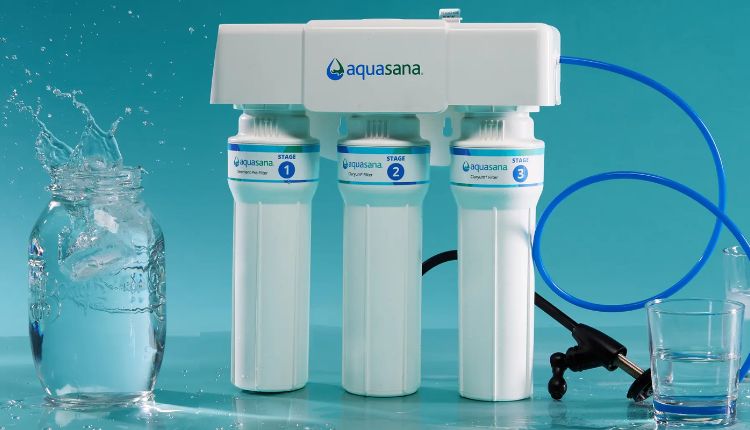
Filtration systems are often integrated into water well systems to remove sediment, iron, sulfur, or other impurities, further enhancing water quality. These filters require regular cleaning or replacement according to manufacturer guidelines. For more in-depth information on maintaining your well and understanding water quality, the Water Systems Council provides valuable resources for private and small shared water wells. Their guidance can help you safeguard your water supply.
Troubleshooting Performance in Residential HVAC and Water Well Systems
Even with diligent maintenance, mechanical systems can encounter issues. Recognizing common signs of trouble can help us address problems quickly and prevent more severe damage.
For HVAC systems, common issues include:
- Short cycling: The system turns on and off frequently without completing a full cycle. This can indicate an oversized system, a clogged air filter, low refrigerant, or a faulty thermostat.
- Airflow restrictions: Weak airflow from vents often points to dirty air filters, blocked return air vents, or ductwork leaks.
- Unusual noises: Squealing can indicate a failing fan belt, grinding suggests motor bearing issues, and banging might signal a loose component or a problem with the compressor.
- Electrical breakers tripping: This could be a sign of an electrical short, an overloaded circuit, or a failing motor.
For water well systems, watch out for:
- Reduced pressure or sputtering faucets: These are classic signs of a failing pump, a clogged well screen, a leak in the system, or an issue with the pressure tank.
- Rapid cycling of the pump: If your pump turns on and off frequently even when no water is being used, it often points to a waterlogged pressure tank, a leak in your plumbing, or a faulty pressure switch.
- Sediment accumulation: Visible sediment in your water or clogged fixtures can indicate issues with the well casing, pump placement, or a need for a sediment filter.
- Unusual noises from the well or pressure tank: Banging or clanging sounds can signal water hammer or a problem within the pressure tank.
- Water quality issues: Sudden changes in taste, odor, or color, or the presence of sand or grit, require immediate attention and water testing.
In either case, if you observe these signs, it’s best to contact a qualified professional for diagnosis and repair.
Frequently Asked Questions About Residential Mechanical Systems
As homeowners, we often have questions about the intricate workings and future considerations of our HVAC and water well systems. Here, we address some of the most common inquiries.
How do new A2L refrigerants affect future HVAC repairs and equipment choices?
The transition to new A2L refrigerants like R32 and R454B is a significant development in the HVAC industry, driven by global efforts to reduce the environmental impact of refrigerants. These A2L refrigerants have a much lower Global Warming Potential (GWP) compared to older types like R-410A.
For homeowners, this transition means that new HVAC equipment purchased today or in the near future will likely use these refrigerants. While older R-410A systems can still be serviced, the availability of R-410A will continue to decrease, and its cost may rise. When it comes to future repairs for A2L systems, technicians will require specialized training and tools for handling these mildly flammable substances. Safety mitigation measures, such as enhanced ventilation during service and, in some cases, integrated leak detection systems, are becoming standard. This ensures safety during installation and operation. Therefore, choosing equipment designed for R454B or R32 now helps future-proof your system, ensuring easier access to service and compatible parts down the line.
What warning signs indicate a failing water well pressure tank or pump?
Recognizing the early warning signs of a failing water well pressure tank or pump can save you from a complete loss of water and costly emergency repairs. For a failing pressure tank, common indicators include:
- Rapid cycling of the pump: If your well pump turns on and off every few seconds, even with minimal water usage, the pressure tank is likely waterlogged, meaning its air bladder has failed.
- Water hammer: A banging noise in the pipes when a faucet is turned off can indicate a loss of air cushion in the tank.
- Sputtering faucets: Air mixed with water coming from your faucets suggests the tank isn’t maintaining proper pressure.
- Pressure fluctuations: Noticeable swings in water pressure throughout your home, especially during water use, can point to a compromised tank.
For a failing well pump, look out for:
- No water or very low water pressure: This is the most obvious sign.
- Constant running of the pump: If the pump runs continuously without building pressure, it could be a sign of a broken pump, a severe leak, or a well that has run dry.
- Increased electricity bills: A pump that’s struggling or running constantly will consume more energy.
- Unusual noises from the well: Grinding, clanging, or humming sounds from the well itself can indicate mechanical failure in a submersible pump.
Addressing these signs promptly can prevent further damage to your well system.
How does indoor dehumidification interact with central cooling systems?
Indoor dehumidification plays a crucial role in enhancing comfort and efficiency, especially in humid climates, and it interacts significantly with central cooling systems. A central air conditioner performs two main functions: sensible cooling (lowering the air temperature) and latent cooling (removing moisture from the air). In highly humid conditions, a standard AC unit might struggle to remove enough moisture without overcooling the space. This leads to a clammy feeling even at lower thermostat settings.
When a dedicated whole-home dehumidifier is integrated with your HVAC system, it takes on the primary role of latent cooling. This allows your central cooling system to focus more efficiently on sensible cooling. The interaction benefits your home in several ways:
- Improved Comfort: By maintaining optimal relative humidity (typically 40-60%), your home feels cooler and more comfortable at higher thermostat settings, reducing the need to overcool.
- Energy Savings: When the dehumidifier handles moisture removal, your AC doesn’t have to work as hard on latent load, potentially saving energy. You can also set your thermostat a few degrees higher and still feel comfortable.
- Enhanced Air Quality: Reduced humidity levels inhibit the growth of mold, mildew, dust mites, and other allergens, leading to healthier indoor air.
- System Longevity: Less strain on your central AC from excessive latent load can contribute to its overall lifespan.
This synergistic relationship ensures that your home achieves both ideal temperature and humidity levels, contributing to overall comfort and air quality.
Conclusion
The residential HVAC and water well systems are the unsung heroes of our homes, providing the fundamental elements of comfort, health, and convenience. From the nuanced efficiency ratings of SEER2 and AFUE to the critical role of a well pump and pressure tank, understanding these systems empowers us as homeowners.
We’ve explored the distinctions between central AC, heat pumps, and highly efficient geothermal systems, emphasizing how proper sizing through Manual J calculations is paramount for long-term performance. We’ve also navigated the evolving landscape of refrigerants like R32 and R454B, highlighting their impact on future compatibility and service. Crucially, we’ve seen how integrating solutions like whole-home dehumidifiers can elevate indoor air quality beyond mere temperature control.
For water well systems, we underscored the importance of regular groundwater testing, drawdown monitoring, and pressure tank checks to ensure a reliable and safe water supply. Recognizing the warning signs of a struggling system, be it short cycling in an HVAC unit or reduced pressure from a well, allows for timely intervention, mitigating larger issues.
Proactive preventive maintenance—including seasonal tune-ups for HVAC and annual checks for water wells—is the cornerstone of ensuring equipment longevity, optimizing operating costs, and bolstering your property’s overall resilience. By investing time and attention into these essential mechanical and water systems, we secure the comfort and well-being of our homes for years to come.