






Sustainable innovation in feed mill operations is increasingly becoming a critical focus for the agricultural and livestock industries. As global demand for efficient, environmentally responsible food production grows, feed mills are adopting new strategies to optimize resource use, reduce waste, and improve overall operational efficiency. From advanced processing technologies to data-driven inventory management, these innovations are shaping a more resilient and sustainable feed supply chain that meets both economic and environmental objectives.
Cruco Mill & Industrial Supply feed mill suppliers play an essential role in supporting this transformation by providing the equipment, materials, and technical expertise needed to implement sustainable practices. By integrating energy-efficient machinery, precision feed formulations, and responsible sourcing practices, feed mills can minimize their environmental impact while maintaining high productivity standards. This approach highlights the growing intersection of sustainability and innovation in modern feed production.
Advancements in Automation and Robotics
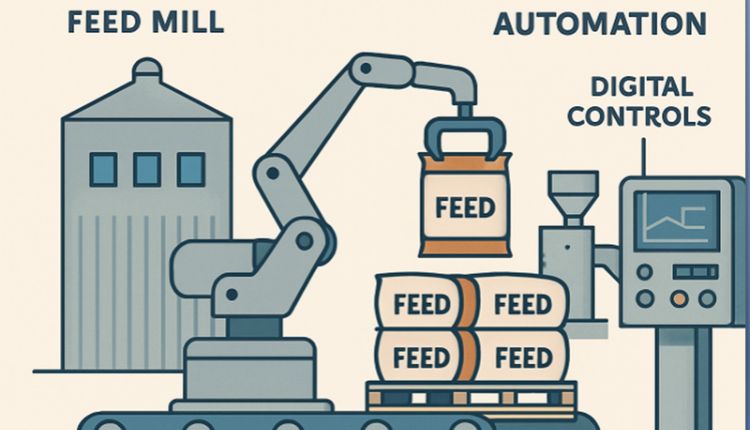
Automation is revolutionizing traditional feed mill operations. With sophisticated digital control systems, mills can monitor production parameters in real time to optimize output and consistency. Robotic technology now handles repetitive, high-risk, or precision tasks such as bagging, palletizing, and sample collection. These solutions don’t just solve labor constraints; they reduce material loss, ensure consistent product quality, and create safer working environments.
For example, modern facilities use automated material-handling systems that mix ingredients with unprecedented accuracy and track every batch in a centralized database. These technologies significantly reduce the risk of human error, leading to fewer recalls and improved compliance with food safety regulations. As a result, both productivity and worker morale have improved substantially, allowing operators to focus on process improvements and innovation.
Water-Efficient Feed Production
Water scarcity remains a major challenge in agriculture. To combat this, feed mills are implementing water-efficient technologies. One notable innovation is the Automated Sprouted Grain (ASG) system, which creates nutrient-rich livestock feed using significantly less water than traditional forages such as alfalfa. By cultivating sprouts indoors in controlled conditions, these systems can provide fresh feed every day and considerably reduce water use in farming, particularly beneficial in drought-affected areas. Technologies like ASG can significantly help alleviate the global freshwater shortage, which threatens food security worldwide.
Recycling Food Waste into Feed
A large share of global food ends up as waste, and repurposing it as animal feed helps prevent landfill buildup, reduce greenhouse gas emissions, and support a circular agricultural system. Some feed mills have partnered with food processors and local governments to set up dehydration and milling processes that turn recovered food waste into high-protein feed components. These products have received regulatory approval, mainly for poultry diets, and are steadily capturing market share as retailers and consumers push for more sustainable food supply chains. This closed-loop strategy not only tackles food waste but also adds alternative protein and energy sources to animal diets, decreasing reliance on traditional crops that demand extensive land and water. Implementing these practices is increasingly viewed as both economically advantageous and environmentally responsible.
Collaborative Efforts for Sustainability
Strategic partnerships are accelerating sustainable innovation within the industry. Feed mills are joining forces with startups, universities, and large agribusiness firms to pilot novel feed ingredients, such as insect protein derived from food-processing byproducts. These collaborations facilitate knowledge sharing, reduce research and development cycles, and enable rapid scaling of successful practices across multiple regions. Additionally, alliances have enabled sustainable sourcing of feedstocks, enhanced traceability, and transparent supply chains that foster consumer trust.
Case Study: Insect-Based Protein
In a leading example, one consortium developed an industrial-scale insect protein facility that turns corn processing waste into black soldier fly larvae meal. The larvae efficiently convert low-value substrates into high-protein feed, demonstrating a circular economy where every resource is maximized. By utilizing what was previously discarded, such technologies reduce pressure on wild fish stocks and soy cultivation, supporting both biodiversity and feed security.
Energy-Efficient Milling Practices
Feed mills are energy-intensive, often running 24/7 to meet demand. The adoption of advanced variable speed drive (VSD) technology for motors and milling equipment has yielded impressive energy savings. By adjusting motor speed to match actual load requirements, these systems reduce both power consumption and wear and tear, leading to lower operational costs and emissions. Facilities implementing these solutions have reported up to 30% reductions in energy use, benefitting both the bottom line and the environment. Further, smart energy management systems allow operators to monitor and optimize electricity use, further enhancing sustainability profiles.
Conclusion
The move toward sustainability in feed mill operations is being driven by breakthrough technologies, creative partnerships, and a holistic commitment to resource conservation. By investing in automation, water- and energy-efficient systems, and circular economy models that turn waste into valuable inputs, feed mills are demonstrating that responsible growth and industry leadership can go hand in hand. These strategies not only help the industry meet rising regulatory and consumer expectations but also secure the long-term viability of animal agriculture in a changing world.