






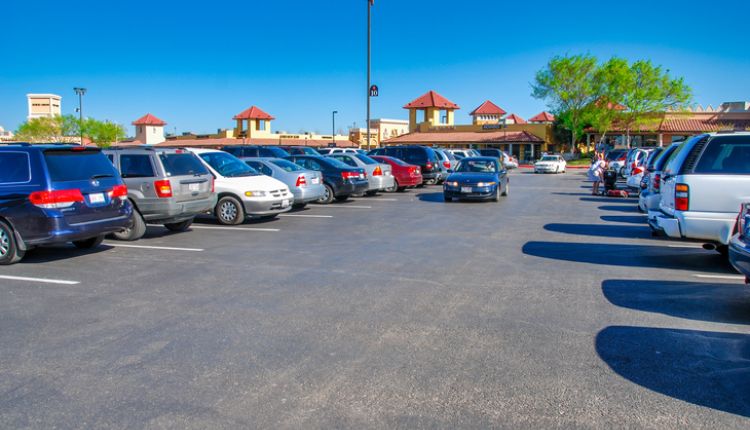
A commercial parking lot is more than just a space for vehicles; it’s a hub of activity where employees, customers, and deliveries converge. Despite its routine use, parking lots are often overlooked when it comes to safety measures, yet they are hotspots for accidents, injuries, and liability claims. Ensuring a safe and secure parking lot is not only vital for protecting people but also for safeguarding your business’s reputation and bottom line.
Understanding Common Parking Lot Hazards
Before implementing safety measures, it’s essential to recognize the risks. Common hazards in commercial parking lots include:
- Slips, Trips, and Falls: Uneven surfaces, potholes, cracks, and debris can cause pedestrians to fall. Wet or icy conditions exacerbate these risks.
- Vehicle Collisions: Improperly marked lanes, poor lighting, and limited visibility increase the likelihood of accidents between vehicles.
- Pedestrian-Vehicle Conflicts: High traffic areas without designated walkways put pedestrians at risk.
- Poor Drainage: Standing water from rain or snow can lead to slips and structural damage over time.
- Vandalism and Theft: Insufficient lighting and security measures make parking lots vulnerable to crime.
Effective Safety Measures
Addressing these hazards requires a proactive approach. Here’s how to create a safer parking environment:
1. Maintain Pavement Integrity
Regular inspection and repair of your parking lot surface are critical. Cracks, potholes, and uneven surfaces should be addressed immediately. In some cases, consulting professionals for concrete restoration in Salt Lake City can help extend the life of your lot while ensuring a smooth and safe surface. Proper maintenance reduces trip hazards and prevents water damage that could worsen over time.
2. Improve Lighting
Adequate lighting is one of the most effective ways to prevent accidents and deter crime. Ensure that all areas, especially entrances, exits, and walkways, are well-lit. Consider motion-sensor lights in less trafficked areas to save energy while maintaining security.
3. Clear Markings and Signage
Clearly marked lanes, pedestrian crossings, and parking spaces guide both drivers and pedestrians, reducing confusion and collisions. Use reflective paint and regular repainting schedules to maintain visibility, particularly at night or during adverse weather conditions.
4. Install Safety Barriers
Bollards, curbs, and wheel stops not only protect pedestrians and property but also prevent vehicles from entering restricted areas. Barriers can also guide traffic flow, minimizing congestion and potential accidents.
5. Regular Snow and Ice Management
In regions prone to snow or ice, frequent clearing and the use of salt or sand are essential. Icy conditions are a leading cause of slips and vehicle accidents. Establishing a clear winter maintenance plan can help reduce risks and protect both pedestrians and vehicles.
6. Implement Pedestrian-Friendly Zones
Designated walkways, ramps, and crosswalks create safe paths for pedestrians. Raised sidewalks or speed bumps can slow vehicle traffic, further minimizing the risk of accidents.
7. Security Measures
Surveillance cameras, emergency call boxes, and routine patrols can deter vandalism and theft. A visible security presence reassures employees and customers that your property is safe.
8. Educate and Communicate
A well-informed staff can significantly improve safety. Provide training on proper traffic flow, emergency procedures, and hazard reporting. Additionally, clear communication with customers about pedestrian routes and parking rules can prevent incidents.
Routine Inspections and Upkeep
A commercial parking lot should never be “set and forget.” Regular inspections allow you to identify potential hazards before they cause harm. Seasonal maintenance, pavement resurfacing, and prompt repairs are investments that protect both people and your business’s liability.
In Conclusion
A safe commercial parking lot is crucial for preventing accidents, avoiding liability, and creating a positive experience for customers and employees alike. By maintaining pavement, improving lighting, installing clear signage, and implementing security measures, you can mitigate risks and ensure your property remains safe year-round. Whether it’s regular upkeep or professional services like concrete restoration in Salt Lake City, taking proactive steps today ensures a secure environment tomorrow.
Investing in parking lot safety is more than just compliance—it’s about showing that you value the well-being of everyone who visits your business. A well-maintained and secure parking lot sets the tone for safety, professionalism, and customer confidence.