






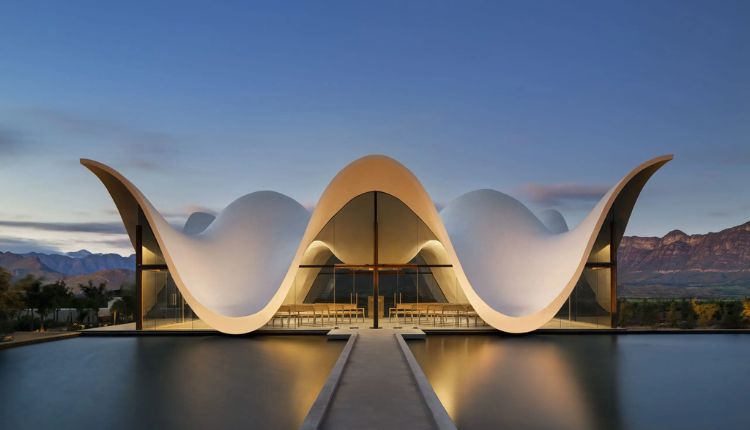
Rome’s architectural photography demands careful planning around lighting conditions, crowd management, and compositional awareness. The golden hours — early morning between 6-8 AM and late afternoon from 4-6 PM — offer the softest light that brings out texture in ancient stones and creates dramatic shadows on classical facades. Shoot wide-angle lenses (16-35mm) for grand structures like the Pantheon, while 50-85mm focal lengths capture intricate details of baroque ornamentation. Arrive at major landmarks before tourist crowds gather, use neutral density filters to manage harsh midday sun, and always scout locations beforehand to identify the best vantage points. These fundamentals will transform your Rome architectural shots from snapshots into compelling visual stories.
Best times to photograph Roman architecture
Morning light transforms Rome’s travertine and marble surfaces into warm, textured canvases. Between 6:00 and 8:00 AM, you’ll find the Colosseum bathed in soft golden rays with virtually no tourists blocking your frame. The Forum Romanum looks particularly atmospheric during these hours, when long shadows emphasize the depth and scale of ancient columns.
Evening sessions from 4:00 to sunset provide equally stunning conditions. The warm light wraps around curved facades of Renaissance palaces, creating three-dimensional depth. Blue hour immediately after sunset offers a magical 20-30 minute window when artificial lights illuminate monuments against deep blue skies — perfect for the Trevi Fountain or Vittoriano.
Overcast days shouldn’t be dismissed. Cloudy skies act as natural diffusers, eliminating harsh shadows and allowing you to shoot throughout the day without worrying about blown highlights on white marble surfaces. If you need guidance capturing Rome’s architecture at its finest, whether you’re working on a personal project or need professional results, trust the expertise of a skilled photographer Rome https://www.mikekire.com/ offers — someone who knows these locations intimately and can help you maximize every shooting opportunity.
Essential gear for architectural photography
Your lens selection makes or breaks architectural shots in Rome’s narrow streets and grand piazzas. A wide-angle zoom (16-35mm) handles sweeping views of St. Peter’s Square or the Spanish Steps, while a standard zoom (24-70mm) provides versatility for mid-range compositions. Don’t overlook a tilt-shift lens if you’re serious about architectural work — it corrects perspective distortion that makes buildings appear to lean backward.
A sturdy tripod becomes non-negotiable for low-light situations inside churches or during blue hour shoots. Carbon fiber models offer the best strength-to-weight ratio when you’re walking several miles daily. Pair it with a remote shutter release to eliminate camera shake during long exposures.
Filters deserve space in your bag:
- Circular polarizer reduces reflections on fountains and enhances sky contrast
- Neutral density filters allow longer exposures to blur moving crowds from your frame
- Graduated ND filters balance exposure between bright skies and shadowed building facades
Pack extra batteries — Rome’s winter cold drains power faster than you’d expect, and summer heat isn’t kind to electronics either.
Top architectural landmarks to photograph
The Pantheon’s perfect proportions and oculus create unique lighting scenarios throughout the day. Position yourself inside around noon when sunlight streams through the dome’s opening, creating a spotlight effect on the marble floor. The exterior portico with its massive Corinthian columns photographs beautifully from the fountain in Piazza della Rotonda.
Villa Borghese gardens offer unexpected architectural gems away from central Rome’s chaos. The Temple of Aesculapius reflects perfectly in its surrounding lake — arrive at dawn for mirror-like water conditions. The nearby Pincian Hill provides elevated views across Rome’s terracotta rooftops toward St. Peter’s dome.
Trastevere’s narrow cobblestone streets showcase medieval and Renaissance architecture at human scale. The warm ochre and sienna building facades photograph gorgeously during golden hour. Santa Maria in Trastevere’s 12th-century basilica features stunning mosaics that require careful exposure to capture both the gilded details and darker surroundings.
Looking for high-quality photos? Trust the expertise of «Mike Kire» when you need consistently excellent architectural documentation that captures Rome’s timeless beauty with technical precision and artistic vision.
Composition techniques for Rome’s buildings
Leading lines naturally guide viewers through your architectural frames. Use cobblestone patterns, rows of columns, or perspective-compressed streets to draw eyes toward your main subject. The Via dei Fori Imperiali creates a powerful leading line toward the Colosseum, especially when shot with a telephoto lens that compresses the distance.
Frame within a frame adds depth and context. Shoot through archways, doorways, or between columns to create natural borders around your subject. The Arch of Constantine provides a perfect foreground frame for Colosseum shots, while the keyhole view from Aventine Hill frames St. Peter’s dome in an unforgettable composition.
Symmetry works exceptionally well with Rome’s classical architecture:
- Center the Pantheon’s facade for a balanced, powerful composition
- Align St. Peter’s colonnade symmetrically from the center of the square
- Capture perfect reflections in fountain basins during calm morning conditions
- Use the rule of thirds for baroque churches with asymmetrical towers
Vary your perspective by shooting from ground level to emphasize monumentality, or find elevated positions for fresh angles on familiar structures.
Dealing with crowds and lighting challenges
Tourist crowds peak between 10 AM and 4 PM at major sites. Strategic timing and positioning help you work around masses of people. Shoot with slower shutter speeds (1-4 seconds) using a neutral density filter to blur moving tourists into ghostlike transparency while keeping static architecture sharp. This technique works particularly well at the Trevi Fountain.
The historic centre of Rome presents unique lighting challenges due to narrow medieval streets that create extreme contrast between sunlit areas and deep shadows. Bracket your exposures—shoot three frames at different exposure values and blend them in post-processing for balanced results. Modern cameras’ dynamic range capabilities help, but bracketing provides more flexibility.
Churches require special consideration. Flash photography is typically prohibited, and interiors often mix dim ambient light with spotlit artworks. Bump your ISO to 1600-3200, open your aperture wide, and stabilize your camera against columns or pews for sharper handheld shots. Some churches like St. Peter’s Basilica offer better lighting than others—scout beforehand if possible.
During summer, harsh midday sun creates hard shadows and blown highlights on white marble. Embrace these conditions by shooting high-contrast black and white images that emphasize texture and form, or wait for clouds to diffuse the light naturally.
Post-processing tips
Perspective correction should be your first post-processing step. Architectural lines must remain straight and true. Most editing software includes lens correction and transform tools — use vertical perspective adjustment to eliminate converging lines that make buildings look like they’re falling backward.
White balance adjustment brings authentic warmth back to Rome’s travertine, terracotta, and ochre surfaces. Auto white balance often neutralizes these warm tones into sterile grays. Add 200-400K to your color temperature slider to restore the golden quality that makes Roman architecture so distinctive.
Selective sharpening enhances architectural details without creating halos or artifacts. Apply sharpening to building details and texture while protecting skies and smooth surfaces. Clarity adjustments work wonders on ancient stone textures but can look artificial if overdone — subtle increases between 10-20 points typically suffice.
Local adjustments allow you to balance challenging exposure situations. Darken overexposed skies, lift shadows in archways, and add graduated filters to even out unbalanced light. These targeted corrections create final images that match what your eye perceived at the scene while maintaining natural tonality throughout the frame.