






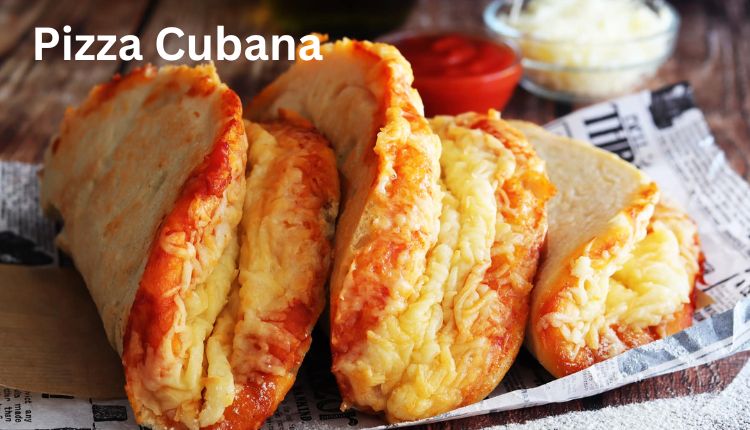
While Cuba is not historically known for pizza like Italy or the United States, the Cuban approach to food has always been adaptive, inventive, and deeply rooted in flavour. Cubana perfectly represents this spirit. It’s not just a copy of Italian pizza; rather, it is a localised interpretation shaped by available ingredients, cultural preferences, and a love of hearty, satisfying meals.
In many parts of Cuba and Cuban-influenced communities abroad, pizza is enjoyed as an affordable street food. Pizza Cubana often stands out for its thicker crust, generous toppings and unique choice of spices. This dish reflects how global foods evolve as they enter a new cultural environment and transform into something familiar and different.
The origin and cultural background of Pizza Cubana
The origin of Pizza Cubana is closely related to Cuba’s historical relationship with foreign cuisine. During the 20th century, Cuban food culture absorbed influences from Spain, Africa, the Caribbean, and later the United States. Pizza arrived in Cuba through Italian immigrants and American cultural exposure but quickly adapted to local tastes and the availability of ingredients.
Unlike traditional Italian pizza, which emphasises simplicity and balance, Cubana often focuses on richness and abundance. This reflects Cuban culinary values, where meals are meant to be hearty and communal. Over time, Cubana has become a popular option in small neighbourhood restaurants and street vendors, making it accessible to people from all walks of life.
Defining the characteristics of Cubana
Pizza Cubana is known for several distinctive features that set it apart from other styles of pizza. The crust is usually thicker and softer, sometimes resembling bread rather than a thin, crispy base. This makes the pizza hearty and satisfying, especially when eaten as a separate meal.
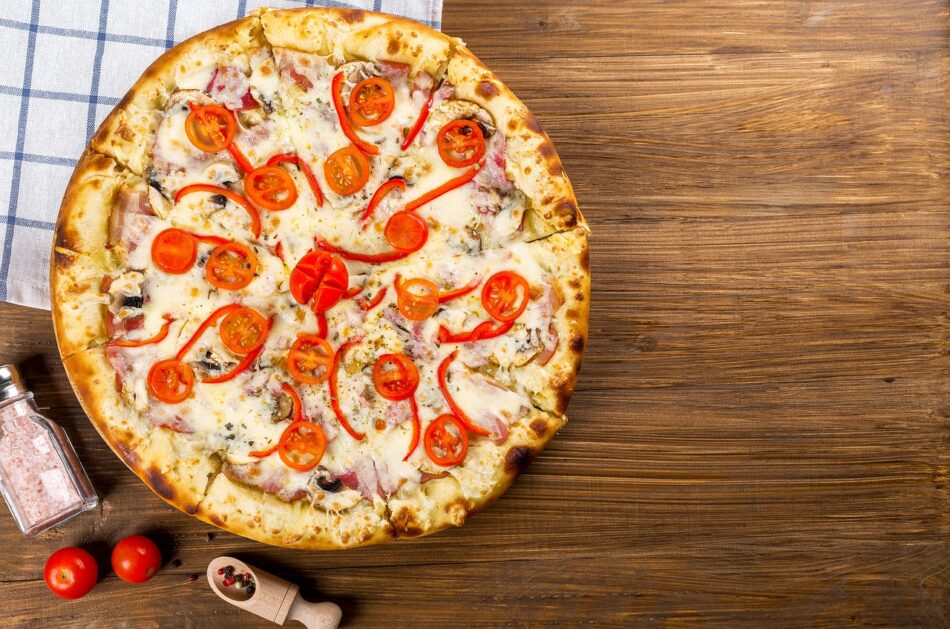
The sauce used in Cubana is typically sweeter than Italian tomato sauce. This sweetness balances well with savoury toppings and reflects the Cuban preference for subtle sweet notes in savoury dishes. Cheese is used liberally, often creating a rich, creamy texture that holds the toppings together.
One of the most notable aspects of Cubana is the choice of toppings. While classic toppings like ham, cheese, and paprika are common, Cuban-style pizzas often include ingredients like spiced pork, onions, and sometimes even tropical influences. These options give Cubana its unmistakable identity.
Ingredients commonly used in Pizza Cubana
The ingredients used in Pizza Cubana are simple but delicious. The dough is usually made with basic staples, resulting in a soft and fluffy crust. Tomato sauce may contain added sugar or naturally sweet tomatoes to achieve a distinctive flavour profile.
Cheese is a key ingredient, and while mozzarella is common, variations can include locally available cheeses that melt well. Toppings often contain ham or pork, reflecting Cuba’s strong culinary connection to pork-based dishes. Onions, green peppers and olives are also often used to add depth and flavour to the pizza.
Spices also play an important role. Subtle spices and herbs enhance the overall flavour without overpowering the dish. This careful balance ensures that Cubana remains approachable while offering a distinctive taste experience.
Preparation style and cooking methods
Pizza Cubana is traditionally prepared straightforwardly and practically. The dough is left to rise until soft and airy, then pressed into the pan rather than stretched. This pan-based approach helps create a thick bread crust that defines the dish.
The sauce is spread liberally, followed by a substantial layer of cheese and a topping. Baking is often done in simple ovens, which adds to the rustic charm of Cubana. The result is a pizza that is well done, filling, and comforting.
In many street restaurants, Cubana is baked in advance and reheated as needed. This makes it a convenient choice for quick meals while still retaining its flavour and texture.
Cubana as street food
Street food culture plays a significant role in the popularity of Cubana. In Cuba, small pizza stands and neighbourhood vendors offer affordable slices to locals and visitors alike. These pizzas are often sold by the slice, making them affordable and convenient for people on the go.
The street food version of Cubana emphasises quantity and affordability. The portions are generous, and the flavours are bold but familiar. This has helped Cubana maintain its status as an everyday favourite rather than a speciality reserved for special occasions.
Variations of Pizza Cubana
Although Pizza Cubana has basic characteristics, it also allows for regional and personal variations. Some versions focus heavily on pork-based toppings, while others emphasise vegetables or extra cheese. The adaptability of Cubana is part of its charm, as it can be customised based on taste preferences and the availability of ingredients.
In Cuban communities outside the island, Cubana may incorporate other influences from the local cuisine. This has led to creative interpretations that still honour the original spirit of the dish while incorporating new flavours.
Comparison with other pizza styles
Compared to Italian pizza, Pizza Cubana is noticeably heartier and sweeter. Italian pizza often favours thin crusts and minimal toppings, while Cubana embraces thickness and abundance. Compared to American-style pizza, Cubana has a thinner crust and milder spice profile.
These differences highlight that Cubana is not just a variation but a distinct style. It is an example of how food evolves when shaped by culture, necessity and local taste preferences.
Popularity outside of Cuba
The interest in global and fusion cuisine in recent years has brought Cubana to a wider audience. Cuban restaurants and food festivals around the world introduced this unique style of pizza to new consumers. As people seek authentic and culturally rich dining experiences, Pizza Cubana continues to gain recognition.
Its approachable flavours make it appealing even to those unfamiliar with Cuban cuisine. At the same time, its unique properties offer something new and exciting for adventurous eaters.
Making Cubana pizza at home
Making Pizza Cubana at home allows for creative freedom while staying true to its core identity. Home cooks often appreciate the indulgence of the recipe, as it does not require specialized equipment or rare ingredients. The emphasis is on achieving a soft crust, a slightly sweet sauce and a generous topping.
Cooking Cubana at home also provides an opportunity to explore Cuban-inspired flavors. By experimenting with seasonings and toppings, home cooks can create personalized versions that still reflect the essence of this beloved dish.
Nutritional Considerations
Like most pizzas, Cubana is a comfort food best enjoyed in moderation. Its thick crust and generous cheese content make it filling and calorie-dense. However, it can also be adapted to suit different dietary preferences by adjusting portion sizes or ingredient choices.
Incorporating vegetables and using balanced toppings can help create a more nutritionally balanced version without sacrificing flavour. This adaptability makes Cubana suitable for a wide range of lifestyles.
The Emotional Appeal of Cubana
Beyond its taste, Pizza Cubana carries emotional significance for many people. It is often associated with memories of family gatherings, neighbourhood vendors, and everyday moments of comfort. Food has a powerful ability to evoke nostalgia, and Cubana is no exception.
For those living outside Cuba, this dish can serve as a connection to cultural roots and shared experiences. Its simplicity and warmth make it more than just a meal; it becomes a symbol of home and community.
Conclusion
Pizza Cubana is a remarkable example of how global foods adapt and thrive within local cultures. With its thick crust, slightly sweet sauce, and generous toppings, it offers a comforting and satisfying experience that reflects Cuban culinary values. More than just a variation of pizza, Cubana stands as a unique dish shaped by history, creativity, and everyday life. Whether enjoyed as street food, at home, or in Cuban restaurants abroad, Cubana continues to capture hearts with its warmth, flavour, and cultural significance.
FAQs
What makes Cubana different from regular pizza?
Cubana is distinguished by its thicker, softer crust, slightly sweet tomato sauce, and generous use of cheese and toppings. These elements create a heartier and more filling pizza compared to many traditional styles.
Is Cubana traditionally eaten in restaurants or at home?
Cubana is commonly enjoyed as street food in Cuba, but it is also made at home and served in casual eateries. Its versatility makes it suitable for various settings.
Can Cubana be customised?
Yes, Cubana is highly adaptable. Toppings and seasonings can be adjusted based on personal preference while maintaining the core characteristics of the dish.
Is Cubana spicy?
Cubana is generally mild in flavour. It focuses more on richness and balance rather than heat, making it approachable for a wide audience.
Why is Cubana popular as street food?
Its affordability, filling nature, and familiar flavours make Cubana an ideal street food option. It provides a satisfying meal that is easy to prepare and serve quickly.