






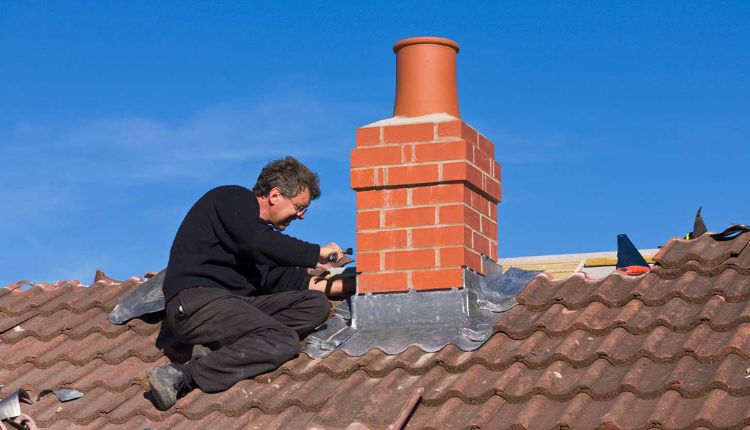
Preventing common chimney problems begins with understanding how everyday use, weather exposure, and inadequate maintenance can gradually affect the structure and safety of your home. Over time, soot buildup, blockages, and small cracks can turn into larger issues that not only reduce the efficiency of your heating system but also pose potential fire hazards. Establishing simple, consistent care habits helps keep your chimney functioning well and minimizes the risk of unexpected repairs.
Regular inspections and timely repairs play a crucial role in maintaining a chimney system in good condition. Homeowners often rely on general services like chimney repair Atlanta, GA, as an example of how maintenance needs may arise when wear and tear become noticeable. Incorporating professional evaluations, cleaning, and early detection of damage ensures that minor concerns do not escalate into costly structural problems. With proper attention, a chimney can remain safe, efficient, and dependable throughout the year.
Regular Inspections and Cleanings
Regular chimney inspections and cleanings are crucial for safety and optimal performance. The NFPA recommends that homeowners inspect their chimneys at least once a year. These inspections can reveal hidden hazards, such as cracks, deteriorated mortar, or loose bricks, that may not be visible to the naked eye. Certified chimney sweeps can identify early signs, such as mortar cracks, damaged liners, or creosote buildup, which helps prevent emergencies. Ignoring minor issues, such as nests or debris, can impede airflow or even lead to fires. Professional cleaning removes flammable soot and creosote, reducing fire risk, improving air quality, and extending the chimney’s life. Scheduling inspections and cleanings before winter ensures the chimney is prepared for heavy use.
Installing a Chimney Cap
A chimney cap, usually inexpensive, effectively protects against weather, pests, and debris. It prevents rain, leaves, and other materials from blocking airflow and causing moisture damage, which could lead to cracked mortar over time. Caps also discourage animals, such as birds and squirrels, from nesting, reducing fire hazards and preventing harmful gases from entering your home. They help manage airflow, improve draft quality, and some include mesh sides as spark arresters to prevent fires. These simple devices extend chimney life, prevent costly repairs, and are a smart, durable investment for safety and savings.
Using Seasoned Hardwood
The kind of wood you choose to burn impacts creosote buildup inside your chimney. Using green or wet wood with a high moisture content results in smoky fires that deposit creosote on chimney walls, thereby increasing the fire risk. To reduce this, opt for seasoned hardwoods—dried for 6-12 months—such as oak, maple, or hickory, which burn cleaner, hotter, and more efficiently. These hardwoods also burn longer, deliver more consistent heat, and improve comfort. Additionally, they produce less smoke, reduce chimney buildup, and help prolong the lifespan of the chimney lining, thereby lowering the chances of flue fires. Properly store dry firewood by keeping it off the ground and covered to prevent it from getting wet throughout the winter.
Addressing Minor Repairs Promptly
It’s tempting to put off minor chimney repairs, but small problems can rapidly escalate into expensive, hidden damage before you notice them. Hairline cracks, loose bricks, or leaks can lead to water infiltration, which may cause structural issues, mold growth, or rot. Water damage worsens during winter, as it expands and causes further harm. Addressing issues promptly helps prevent significant deterioration, prolongs chimney lifespan, and saves money. If you detect damage, hiring a professional quickly can prevent further complications. Ignoring minor issues increases the risk of fire and other serious dangers over time.
Monitoring for Warning Signs
Vigilance is essential for chimney health. Besides annual inspections, homeowners should watch for signs like unvented smoke, falling debris, unusual odors, or excessive soot between visits. Sounds of scratching or fluttering might indicate animals causing blockages. Musty odors in humid weather can signal water damage or masonry problems, while staining suggests moisture intrusion. Promptly addressing these signs ensures proper function and prevents hazards such as fires or gas leaks. Regular checks enable early repairs, saving money and ensuring safety. When unsure, get a professional assessment to avoid minor issues becoming major.
Conclusion
Regular chimney upkeep is vital for safety and efficiency. Regular inspections, cleaning, and repairs help minimize risks and prolong your chimney’s lifespan. Consistent maintenance increases the home’s value and prevents minor problems from turning into costly repairs. Taking prompt action and consulting professionals are key. Make chimney inspections part of your seasonal home maintenance routine to ensure a warm and safe environment year-round. A few simple steps can ensure your chimney operates safely, allowing you to enjoy your fire with confidence and peace of mind.