






Your gums do more than hold your teeth. They protect your body from infection, support your bite, and shape your smile. When gums weaken, problems spread fast. You may see bleeding, swelling, or bad breath. You may not feel pain at first. Yet disease can still destroy bone and put implants at risk. Healthy implants need strong gums and clean tissue around every post. The same is true for natural teeth. You protect both with steady care, early checks, and quick treatment. A Lower Manhattan dentist can spot small changes that you might miss in the mirror. Early gum treatment costs less, hurts less, and saves more teeth and implants. This blog explains why gum health matters, how gum disease starts, and what you can do each day. You will see how simple habits protect your mouth, your confidence, and your long term health.
How Healthy Gums Protect Your Whole Body
Gums form a tight seal around each tooth and each implant. That seal blocks germs from slipping into your bloodstream. When gums stay firm and pale pink, they shield the bone that holds teeth and implants in place.
Weak or swollen gums open small gaps. Germs enter those gaps. Then they trigger ongoing inflammation. Over time, that process can link to heart disease, diabetes, trouble, and breathing problems. The Centers for Disease Control and Prevention explains that nearly half of adults over 30 have some form of gum disease.
Healthy gums support three things. They support a strong bite. They support clear speech. They support steady chewing so your body can use the food you eat.
Why Gum Health Matters For Implants And Natural Teeth
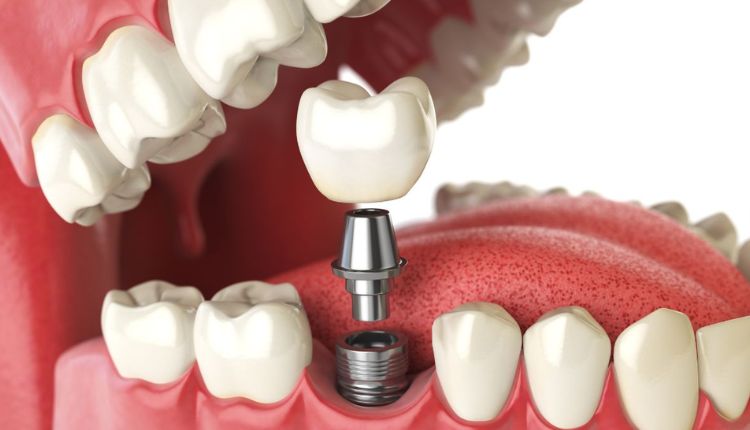
Implants act like roots. They sit in the bone and carry crowns that look like teeth. Yet implants do not get cavities. Instead, they face a different threat. They depend on the health of the gums and bone that surround them.
When gums around implants get infected, the condition is called peri-implant disease. It starts in the soft tissue. Then it can move into the bone and cause implant looseness. Once bone loss starts, saving the implant becomes hard.
Natural teeth and implants share three main risks.
- Sticky plaque that clings to the gumline
- Hardened tartar that traps germs
- Ongoing inflammation that destroys bone
The same daily habits protect both. You clean the edge where the tooth or implant meets the gum. You limit sugar. You keep regular dental visits. Those steps guard every surface in your mouth.
Common Warning Signs You Should Never Ignore
Gum disease often stays quiet. You may not feel pain until the damage is severe. So you need to watch for early signs.
- Bleeding gums when you brush or floss
- Red, puffy, or shiny gums
- Bad breath that will not go away
- Gums that pull away from teeth or implants
- Spaces that seem to grow between teeth
- A change in how your teeth fit together
- Implants that feel loose or tender
If you see one of these signs, contact your dentist Health soon. Quick care can stop further loss and protect existing work in your mouth.
Stages Of Gum Disease And Implant Problems
The National Institute of Dental and Craniofacial Research explains that gum disease moves through stages. Early care can reverse the first stage.
| Condition | Main Signs | Effect On Teeth Or Implants | Can It Be Reversed
|
|---|---|---|---|
| Gingivitis | Red, bleeding gums. No bone loss on X-rays. | Teeth and implants remain stable. | Yes, with better care and professional cleaning. |
| Periodontitis | Gum pockets, bone loss, possible loose teeth. | Teeth can shift or need removal. | No. Damage stays, but treatment can stop more loss. |
| Peri implant mucositis | Red, bleeding tissue around implants. No bone loss. | Implant stays firm. | Yes, if cleaned early and home care improves. |
| Peri implantitis | Deep pockets and bone loss around implants. | Implant may loosen and fail. | Often no. Treatment aims to slow or stop further loss. |
Daily Habits That Keep Gums Strong
You protect your gums and implants with three simple habits.
- Brush two times each day. Use a soft brush and small circles along the gumline.
- Clean between teeth and around implants one time each day. Use floss, tiny brushes, or water devices as your dentist recommends.
- Limit sugary drinks and snacks. Drink plain water often.
Next steps include not smoking or vaping. Tobacco use damages blood flow in the gums. That slows healing after cleanings or surgery and raises the risk of implant loss. Regular exercise and sleep also support your immune system. Then your body can fight infection in your mouth.
Professional Care You Should Expect
Home care is not enough. You also need steady professional checks. During a visit, the dental team measures the depth of gum pockets. They check for bleeding. They take X-rays when needed to look at the bone around teeth and implants.
For early gum disease, the team may suggest scaling and root planing. That treatment removes hardened deposits under the gumline. Then gums can reattach to cleaner roots and implant surfaces. For more advanced disease, they may plan surgery to clean deeper pockets or rebuild bone.
Clear questions to ask include three topics. Ask how severe your gum condition is. Ask which teeth or implants face the most risk. Ask what you can change at home today.
Gum Health Across Your Lifetime
Gum needs to change as you age. Children learn brushing and flossing habits. Teens face shifts in hormones that can inflame gums. Adults often see the first signs of gum disease. Older adults may face dry mouth from medicines and have more implants or dentures.
At each stage, you can choose three steps. You can keep regular cleanings. You can speak up about any bleeding or bad taste. You can plan treatment early instead of waiting for pain.
Strong gums protect every part of your mouth. They hold their teeth firm. They support implants that restore missing teeth. They guard your body from ongoing infection. With steady care and early checks, you can keep that protection for life.