






If you’ve never tried acupuncture before, visiting an acupuncture clinic can feel unfamiliar at first, but most people find the experience calm, structured, and welcoming. The clinic environment is usually quiet and focused on comfort—soft lighting, relaxing seating, and private treatment rooms. The goal is to help patients feel at ease before the session begins. At places such as Pulse Acupuncture in Williamsburg, Brooklyn, the first visit often starts with a conversation rather than immediate treatment. Your practitioner may ask about symptoms, health history, lifestyle habits, and what you’re hoping to improve. This helps shape a personalized treatment plan rather than a one-size-fits-all approach.
Many first-time patients are surprised by how thin acupuncture needles are—they are much finer than injection needles and are placed gently. Most people feel little to no discomfort, and many notice a sense of relaxation, warmth, or heaviness in the body during treatment. Sessions often last between 30 and 60 minutes. Some clinics may combine acupuncture with additional methods such as stretching, breathing recommendations, or practical self-care guidance. The goal is not only symptom relief, but supporting long-term well-being and balance.
How Appointments Typically Work
A standard acupuncture appointment follows a simple structure. After check-in, the practitioner reviews progress or symptoms since the last session. If it’s a first appointment, this step is longer because it includes a full consultation. Some practitioners take pulse readings or ask detailed questions about sleep, digestion, stress levels, or pain patterns. This information helps determine how the body is responding and which areas may need support.
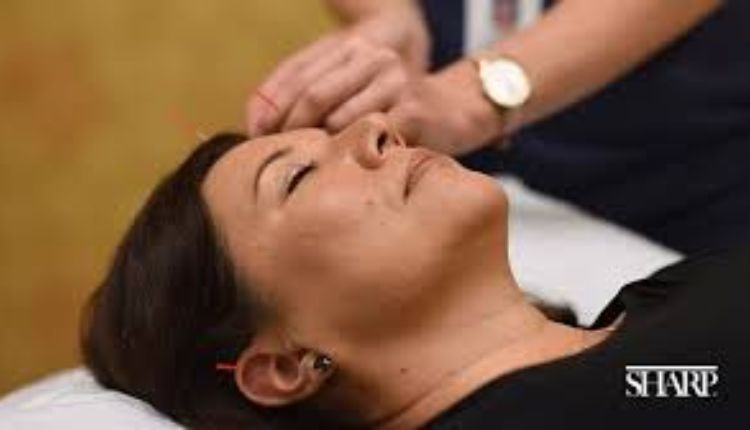
Once the treatment plan is clear, the practitioner guides the patient to lie down, usually on a treatment table similar to a massage table. Needles are placed at various points based on the condition being treated. Placement may be local (near the discomfort) or distal (on arms, legs, or other connected points). Many people rest quietly during this time, and some fall asleep because the nervous system shifts into a calmer state.
After the needles are removed, the practitioner may recommend stretches, hydration, spacing between treatments, or follow-up visits depending on the condition. Some conditions respond quickly, while others—especially long-term or chronic issues—may require multiple sessions. The process is steady and supportive rather than rushed.
Common Reasons People Seek Acupuncture Care
People visit acupuncture clinics for many different health concerns. Some come for musculoskeletal pain such as back pain, neck tension, shoulder discomfort, or joint issues. Others seek support for stress, sleep problems, headaches, menstrual discomfort, or digestion concerns. Many patients appreciate acupuncture because it focuses on the whole person—not just symptoms—helping the body find better balance.
Some individuals also seek acupuncture when they want non-pharmaceutical options, especially when symptoms linger despite other treatments. Others use acupuncture as part of a wellness routine because they find it helps maintain calmness, improve body awareness, or prevent recurring tension.
While people begin treatment for different reasons, a common theme is improved well-being. Many patients report feeling more relaxed, clearer-headed, and more in tune with their body after ongoing sessions. For many, acupuncture becomes not just a treatment, but a supportive part of maintaining health over time.