





Legal teams rely on structured systems to protect records during sensitive legal hold periods. Clear processes support compliance confidence while preventing gaps from escalating into serious exposure. Effective oversight strengthens internal trust across legal operations. Teams should review current legal hold practices now to reinforce control before exposure develops.
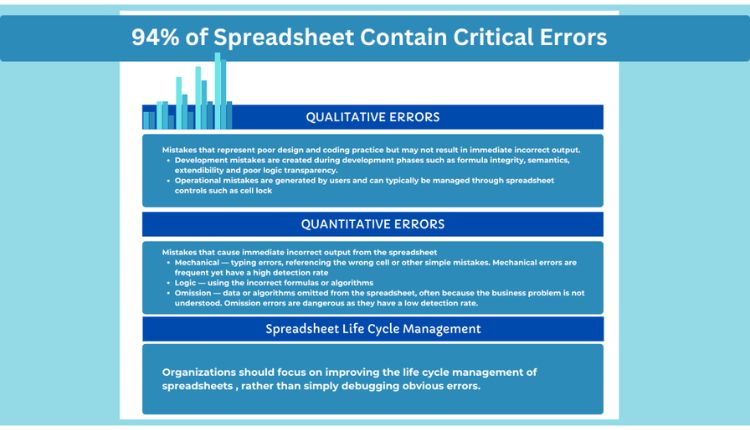
Spreadsheets appear simple at first glance, yet weaknesses surface as legal hold activity expands. Manual oversight increases pressure on staff accuracy without delivering dependable compliance assurance. Fragmented tracking weakens governance across record preservation obligations.
1. Manual Tracking Limits Legal Hold Visibility
Reasons spreadsheets holding legal hold back become clear once manual tracking defines visibility limits. Manual entry creates blind spots across custodians’ records timelines within static documents. Ownership confusion reduces clarity when updates depend on individual judgment.
Visibility suffers because spreadsheets lack structure for tracking preservation status across custodians. Compliance confidence weakens once reporting accuracy lacks verification during internal reviews. Central oversight becomes difficult when metadata remains scattered across disconnected spreadsheet rows. Lack of centralized dashboards prevents teams from confirming hold coverage across custodians confidently.
2. Version Conflicts Reduce Data Reliability
Version conflicts develop when multiple spreadsheet copies circulate through informal sharing. Each file reflects different updates, which creates uncertainty around the current legal hold status. Data reliability declines once discrepancies surface during audits or eDiscovery reviews.
Legal staff spend valuable time validating entries instead of executing compliance responsibilities. Consistent data control supports smoother reviews through reliable documentation. Single-source governance reduces confusion while supporting defensible compliance records. Unverified file copies weaken defensibility during legal review or regulatory examination.
3. Access Gaps Weaken Control Over Records
Access gaps emerge when spreadsheet permissions lack definition across roles, responsibilities, and review needs. Open access invites unintended edits that compromise record integrity during active legal holds. Restricted access limits visibility for reviewers requiring timely compliance confirmation.
Control weakens without accountability assigned to each legal hold task. Structured access safeguards records throughout the legal hold lifecycle. Defined permissions promote confidence across stakeholders managing the chain of custody obligations. Role-based authorization strengthens governance through clearly assigned record responsibilities.
4. Audit Gaps Delay Legal Hold Response
Audit gaps surface when spreadsheets fail to record complete activity history. Action timelines become unclear once manual notes replace systematic tracking. Review teams struggle to confirm compliance steps during external legal scrutiny. Delayed responses increase stress during reviews, while credibility weakens.
Comprehensive audit trails support confident decision-making across legal hold processes. Reliable documentation eases regulatory discussions during formal inquiries. Complete event logging supports faster verification during compliance validation activities.
5. Process Gaps Create Compliance Exposure
Process gaps appear once spreadsheets manage multiple legal holds simultaneously. Escalation steps remain unclear when workflows depend on memory instead of a defined structure. Notification delays occur because spreadsheets lack automated triggers for responsible parties.
Accountability weakens without checkpoints confirming completion of each compliance action. Repeatable processes create stability through consistent legal hold execution. Clear structure reduces uncertainty across legal hold administration. Standardized workflows reinforce consistency across recurring legal hold obligations.
Spreadsheets introduce structural weaknesses that place legal hold compliance under unnecessary pressure. Reasons spreadsheets holding legal hold back stem from visibility gaps, process limitations, and governance issues. Legal teams should evaluate purpose-built systems now to reinforce compliance confidence. Focused investment in proper tools strengthens reliability across legal hold management. Proactive improvements support stronger governance throughout every legal hold engagement.