






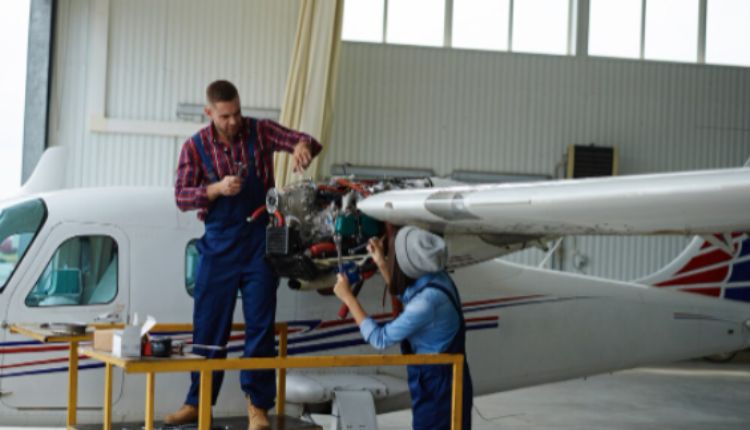
Flying in a personal aircraft is a luxury, but this freedom comes with rules. Every plane must follow strict guidelines about when to inspect and fix, and how to document. These rules are not just paperwork. They are required by the law to ensure safety.
In this article, we will discuss in detail what every plane owner needs to know about inspections, compliance, and the aircraft regulations.
Aviation Regulations
Aviation has some rules, and without them, there will be chaos. Every country has an aviation authority. In the US, it is the FAA, and in Europe, it is EASA. These bodies write the rules and enforce them, keeping flying safe.
Aviation rules cover everything, including how planes are built, maintained, and flown. They also cover how pilots are trained. These rules change with time, and you have to keep up. However, even the tools you use must meet standards. So, you must look for quality Tronair parts, as they are built to aviation specifications. But you must ensure they are from trusted suppliers like Pilot John International. They know which parts are right and help you stay compliant with the rules.
Aircraft Certifications
No one can just build a plane. Every plane has a certificate that says its design is approved and meets safety standards. This airworthiness certificate ensures the plane is safe to fly. It is issued when the plane is new and must stay valid throughout your ownership.
To keep your airworthiness certificate, you must follow maintenance rules. Do the inspections, fix what breaks, and keep records. If you do not, the certificate can be revoked, and then you cannot fly. Moreover, modifications to aircraft need approval. If you want to add a new GPS or repaint the plane, it must be approved.
Inspection Types and Schedules
Inspections help you find potential problems before they cause trouble. Annual inspection of your aircraft is required every 12 months. A mechanic goes through everything, including the engine, airframe, avionics, and controls. They also look for wear, damage, or any other issues. If the mechanic finds something, it gets fixed. Then they sign it off, and your plane is legal for another year.
Some planes need more frequent inspections. So you must check your operating rules. Progressive inspections spread the work throughout the year. Some owners prefer this, as it leads to less downtime at once. But it requires proper planning.
Maintenance Records and Documentation
If it is not written down, it did not happen. That is the rule in aviation. Log books are the plane’s medical records that contain information about every inspection, repair, and part replaced. There are complete entries with dates. Keep in mind that buyers look at logs. When you sell aircraft, good records mean more value.
Conclusion
There are some specific rules and regulations in aviation about certifications and inspections. Staying up to date with all of them can feel overwhelming. But each rule exists for a reason. You must follow them to ensure your plane is reliable and flying safely. Moreover, you must choose experienced mechanics and use approved parts. Also, keep up with inspections and document everything.